The 9 Best Cordless Soldering Irons
Updated by · How we research

Battery pens, butane kits and tool-pack irons compared on heat-up, runtime and tips. The Fanttik T1 Max leads for quick repairs away from an outlet. When users buy our independently chosen editorial choices, we may earn commissions to help fund the Wiki.
A cordless soldering iron trades power for freedom. Most battery pens put out a fraction of a bench iron's heat, which is plenty for circuit boards, drone wiring and car connectors but slow on thick cable. Butane irons run hotter and longer, though without a set temperature. This list is for repairs in a garage, a boat, a vehicle or out on a job site.


Editor's Notes
October 26, 2026, by Ezvid Wiki Editors:
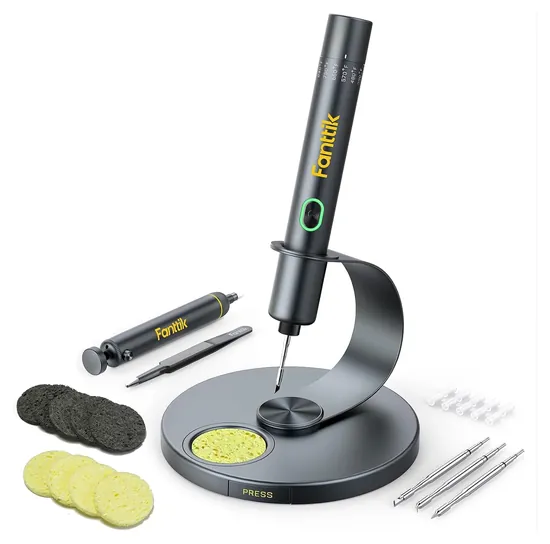
The Fanttik T1 Max is the new pick to beat here. It's a USB-C battery pen that heats in seconds and runs about an hour, which covers most of the repairs people buy a cordless iron for. Much of the old list has gone: the UY Chan TS80P, Portasol P-1 Professional and Weller P2KC have disappeared from sale, and we found no current listings for the Power Probe Butane, ECG J-500 or Iso-Tip 7700. The TS80P also needed a cable to a power source, so it was never truly cordless.
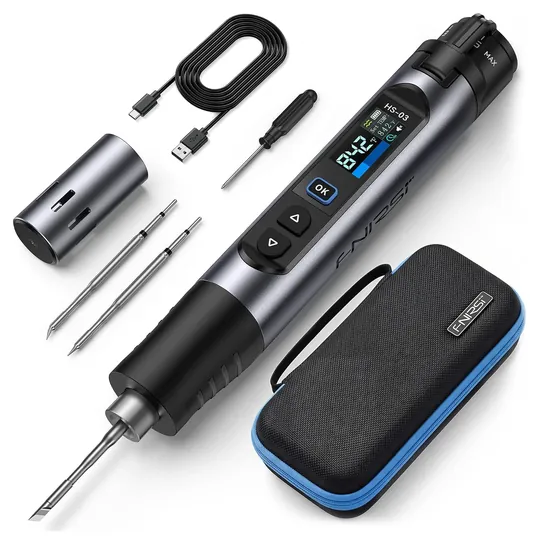
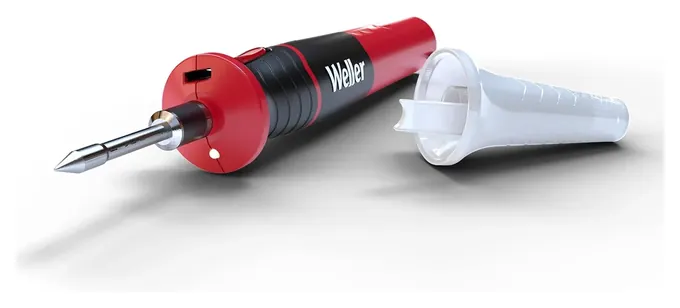
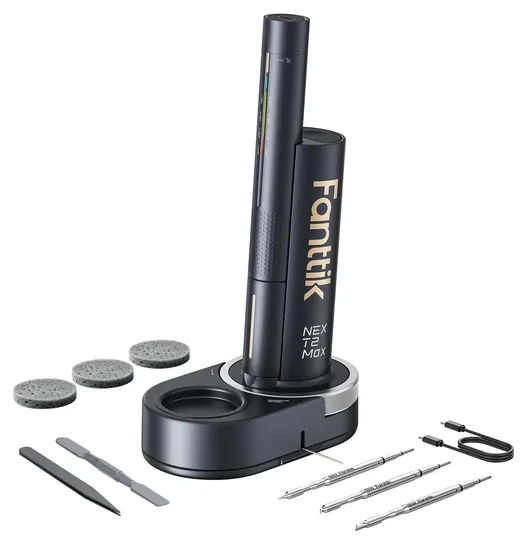
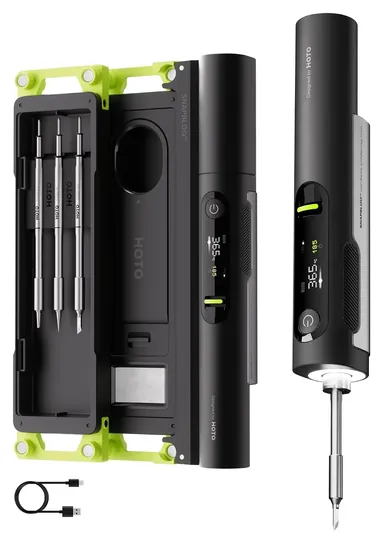
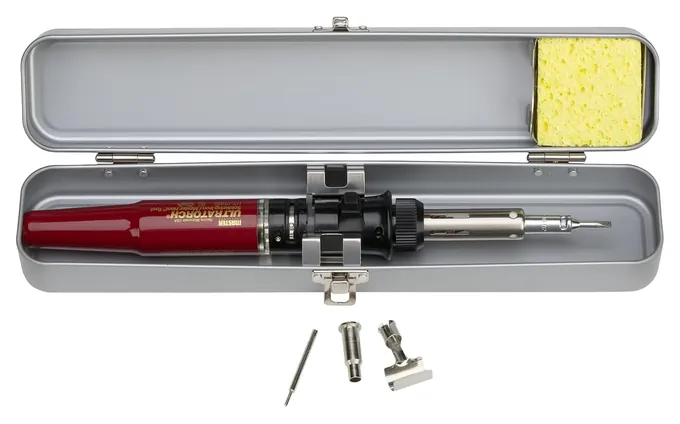
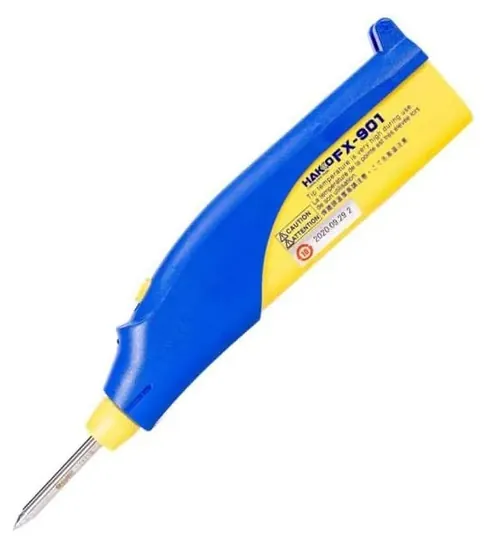
The Milwaukee M12 2488-20, Lexivon LX-770, Master Appliance Ultratorch UT-100SiK and Hakko FX-901 stay. New picks include two pens with replaceable cells, the FNIRSI HS-03 and Fanttik T2 Max, plus the Weller WLBRK12N and the HOTO SNAPBLOQ I-A06.
No lab has measured how these irons hold heat, so the order leans on what Fanttik, FNIRSI, Milwaukee and Lexivon publish about wattage, heat-up and runtime, on which tip standards each takes, and on a CPSC recall search for every brand. We left out cheap pens from sellers that publish no specs at all.
Earlier notes
August 23, 2020, by Kaivaan Kermani:
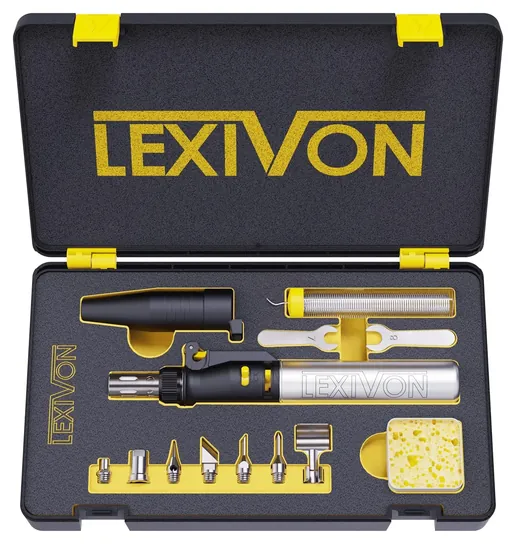
I’ve removed a couple of the butane tanks like the A-One Gas Torch as well as the All Splendid Mini which had functioning issues. Butane portable irons tend to have more power and larger tanks, and the torch in the Lexivon Butane Kit that I’ve just added is on the higher end of this scale with a maximum operating temperature of 2400 Fahrenheit as a torch - that is to say, without a soldering tip attached - and what I believe is 125 watts of power. Besides, the most common solder alloys found on electrical equipment and PCB’s should melt below 400 Fahrenheit, or 200 Celsius.
While power is understandably the coveted metric that many novices use to compare the quality of solder irons half the time, it doesn’t tell you the full story, and you can get a model with a lot of power that doesn’t necessarily transfer that heat well, so do your homework. With that in mind, the other model I’ve introduced as a replacement to the struggling Tooluxe Battery Powered, the UY Chan TS80P, is just great at channeling that power into thermal heat, which is probably evidenced by how quickly it heats up.
The model is actually made by a company called MiniWare – you can see their logo on the box - but is redistributed by multiple other brands. The TS80, along with its predecessor, the TS100, are favorites among many electronics solderers, as is the Hakko FX-901. The TS80P is the second generation of the TS80, which adds features like QuickCharge (QC3.0) as well as about 10W more power.
Another really impressive and innovative feature of the TS80 – and by extension, the TS80P - is its tip-replacement mechanism, which can really make changing tips easy - the tips are actually slotted into the body via a headphone jack. The model isn’t cordless in the very strictest sense of the word, but it is portable, and not like a traditional solder iron, so you can hook it up to a small 9-V lithium power bank and carry it around.
During our last update, the previous editor removed a model called the Dremel 2000-01, because of an issue of not being able to find replacement tips on the market, despite it being an otherwise excellent model. I wanted to reintroduce it during this update, but unfortunately couldn’t because, after checking again, Dremel still isn’t making tips, and it looks like they may have even gone out of business.
February 5, 2019, by Melissa Harr:
Took a look at both battery powered and butane options, selecting the Hakko FX-901 and Portasol P-1 Professional as top choices, respectively. Both offer ease of use and greater durability than many. Also added several less expensive options for the casual hobbyist, including the All Splendid Mini and Tooluxe Battery Powered. We ultimately decided to omit the Dremel 2000-01, as it's difficult to find replacement tips for it, and the Weller BL60MP, which has a couple of design quirks that undercut its safety.
Special Honors
Pine64 Pinecil The Pinecil is the pick for people who want a pocket iron with real power and already carry a USB-C power bank. It has no internal battery, so it isn't cordless, but Pine64 documents it openly, and it runs from most USB-C chargers and battery packs. pine64.org
Battery Pen, Tool Pack Or Butane
Adapter irons for other tool brands exist, but the ones we saw come from sellers that publish no specs.
Cordless irons come in three kinds. Battery pens hold a small lithium cell and charge over USB-C. The Fanttik T1 Max gives 12 watts on its own battery for about an hour, and 16 watts when it's plugged into a USB-C charger or power bank. Pens like the FNIRSI HS-03 and Fanttik T2 Max use a standard 18650 cell you can pull out and replace, which matters once a built-in battery starts to fade.
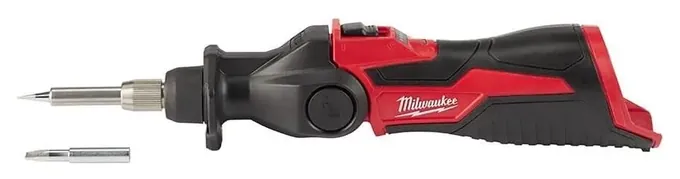
Tool-pack irons clip onto a cordless drill battery. The Milwaukee M12 2488-20 runs up to 40 minutes on a compact M12 pack and heats in under 18 seconds, per Milwaukee. It's sold bare; the 2488-21 kit adds one battery. Adapter irons for other tool brands exist, but the ones we saw come from sellers that publish no specs.
Butane irons burn gas to heat a catalytic tip. They run hotter and longer than battery pens, and most double as a hot air blower and torch. The catch is control: as the soldering iron entry on Wikipedia notes, gas irons usually have no direct temperature setting, so they fit wire splices, shrink tubing and rough work better than fine circuit boards.
Watts, Tips And Runtime
Wattage decides how big a joint an iron can handle. Wikipedia puts typical electronics irons at 15 to 35 watts. Most battery pens run at 10 to 16 watts on battery, which is fine for circuit-board pins and thin wire but slow on a thick ground lug or a big connector, where the joint pulls heat out of the tip faster than the iron can replace it. Some sellers claim 30 to 60 watts on battery; treat those figures as claims until someone measures them.
Tips matter as much as watts. Small pens take C210-size cartridge tips, which heat fast but hold little heat. Larger C245 tips store more heat and cope better with heavier joints. Check that spare tips for your iron are easy to find before you buy, since a worn tip ruins a good iron.
Runtime on a charge is roughly an hour at full heat for the pens on this list, per Fanttik and FNIRSI. If you mostly work near an outlet or carry a power bank, a USB-C iron such as the Pine64 Pinecil gives far more heat for less money, but it has no battery of its own, so it isn't cordless.
Soldering Safely Away From The Bench
A hot tip burns skin and melts insulation in a moment, so put the iron in its stand every time you let go, and let it cool before it goes back in a bag. Butane irons need extra care. Lexivon's instructions call for refined butane only (no propane), refilling outdoors or in a ventilated space, waiting about three minutes after a refill before lighting, and remembering that hot exhaust vents out near the tip. Keep gas irons out of hot cars.
Flux smoke irritates the eyes and lungs, so work with a breeze or a small fan pulling fumes away. With leaded solder, wash your hands afterward and don't eat at the bench. Charge lithium pens with the cable they came with and don't leave them charging unattended; for pens that take an 18650 cell, use a protected cell from a known brand.
Keep the tip tinned with a little fresh solder and wipe it on brass wool rather than filing it, which strips the plating. We checked every brand here against CPSC recall records and found no recall for any of these irons.
How we researched this
We compared 18 cordless, butane and battery soldering irons, read the makers' spec pages for the picks where makers publish them and the seller's spec sheet where they don't, and checked every brand against CPSC recall records. Updated October 26, 2026 by Ezvid Wiki Editors.
Sources (9)
- Fanttik: T1 Max soldering iron kit
- Fanttik: T2 Max soldering iron kit
- FNIRSI: HS-03 smart soldering iron
- Milwaukee Tool: M12 soldering iron 2488-20
- Milwaukee Tool: M12 soldering iron kit 2488-21
- Lexivon: LX-770 butane soldering iron
- Pine64: Pinecil documentation
- Wikipedia: Soldering iron
- U.S. Consumer Product Safety Commission: Recalls
Frequently asked questions
Is a cordless soldering iron as good as a corded one?
Not for heavy work. Most battery pens give 10 to 16 watts, enough for circuit boards and thin wire, while bench irons give much more and recover faster on big joints. Cordless irons win when there's no outlet nearby.
How long does a battery soldering iron last on a charge?
About an hour at full heat, per Fanttik and FNIRSI. The Milwaukee M12 iron runs up to 40 minutes on a compact M12 pack.
Can I run a battery soldering iron from a power bank?
Many can. The Fanttik T1 Max and T2 Max run from a USB-C charger or power bank and get more power that way. USB-C irons like the Pinecil need one, since they have no battery of their own.
Can a butane soldering iron be used for electronics?
For wire splices and connectors, yes. Butane irons have no set temperature, so fine circuit-board work is harder to control and can overheat small parts.
Can I take a butane soldering iron on a plane?
Butane refill cans are not allowed in luggage. Rules for the iron itself vary, so check with the airline and the FAA's PackSafe rules before you pack one.