The 9 Best Coffee Storage Jars
Updated by · How we research

Plunger, valve, vacuum and glass coffee canisters compared on seal, light blocking and size. The Planetary Design Airscape leads for pushing air out of the jar. When users buy our independently chosen editorial picks, we may earn commissions to help fund the Wiki.
Ground coffee can lose most of its aroma within a quarter of an hour, an Italian roaster notes, and whole beans fade over a few weeks once air, light and damp reach them. A good canister slows that down. It matters most to people who buy a bag at a time and want the last cup to taste close to the first one.


Editor's Notes
October 27, 2026, by Ezvid Wiki Admin:
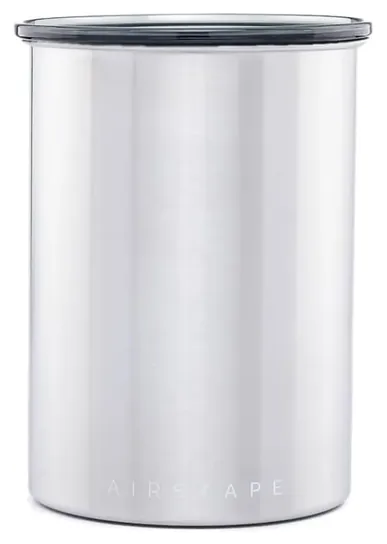
The Planetary Design Airscape stays on top. Its inner lid presses most of the air out of the can, and its steel keeps light away, which a plain clamp seal can't match on paper.
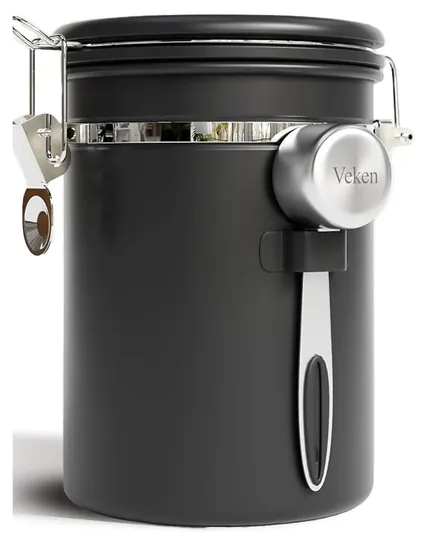
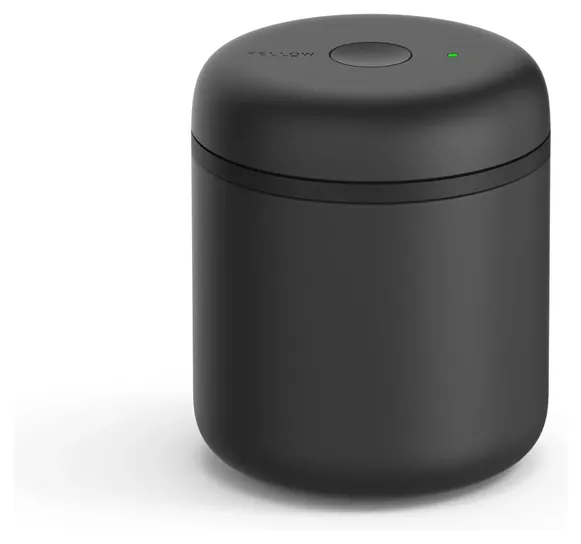
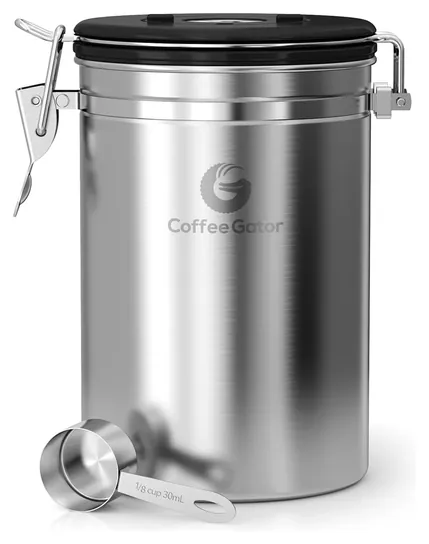
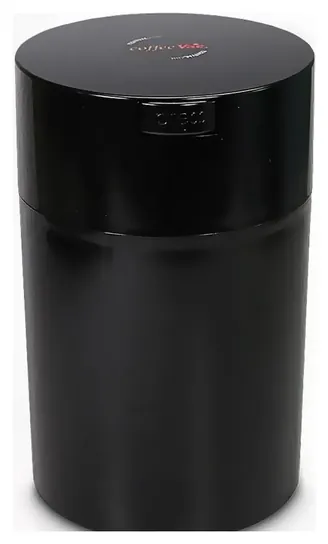
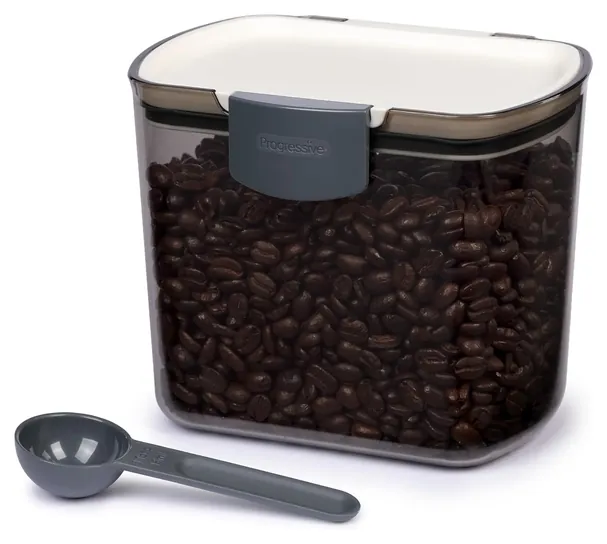
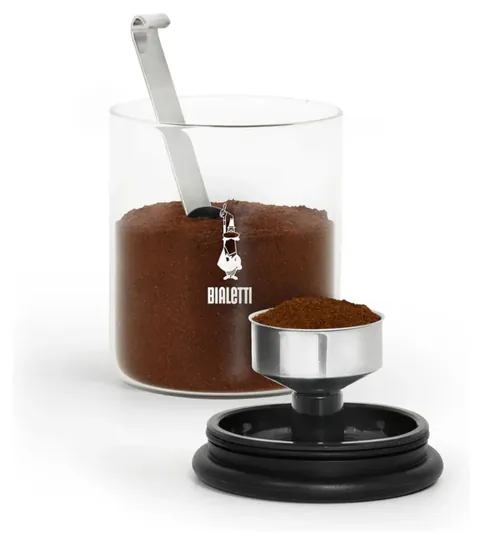
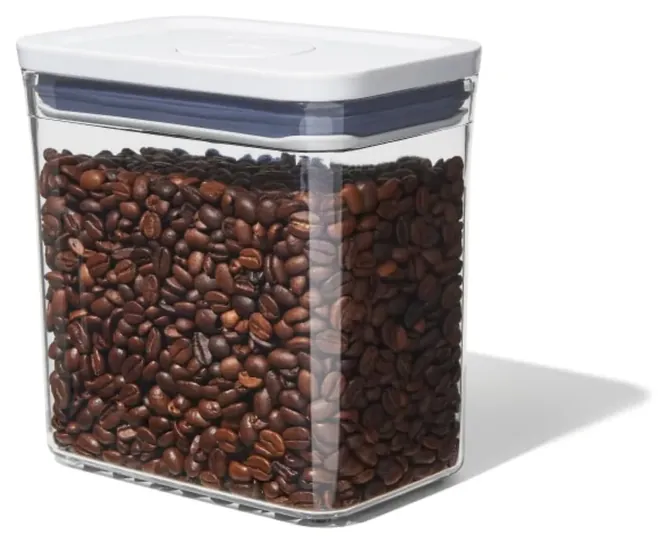
Half of the previous picks have left the market: the Friis Vault, the BlinkOne, the Le Creuset stoneware jar, the Bodum Chambord jar and the older round OXO canister. New picks are the Veken Coffee Canister for value, the Fellow Atmos Electric for a hands-off vacuum, the Bialetti Smart Coffee Jar for moka pot fans and the current OXO Good Grips POP for mixed pantry use. The Coffee Gator Canister, Coffeevac 1 lb, Progressive ProKeeper and Prepara Evak stay.
No lab has run these canisters side by side. One roaster argues that a one-way valve beats a vacuum because fresh beans keep giving off gas, while a coffee site found a valve can and a vacuum can kept beans about equally fresh for a few weeks. So we ranked on seal design, light blocking, fit for a standard bag and each maker's care rules.
December 03, 2019:
When selecting a coffee storage jar, whether you'll be storing whole beans or fresh grounds, your main considerations should be whether it protects its contents from air, moisture, and light. Nearly every selection on this list ticks all three boxes, with the exception of the Prepara Evak and Bodum Chambord. These two models are crafted from durable borosilicate glass, which adds to their aesthetic appeal and is preferable to stainless steel and plastic, depending on your tastes and kitchen decor. Just remember that they need to be stored somewhere that does not receive direct sunlight to ensure the integrity of your coffee.
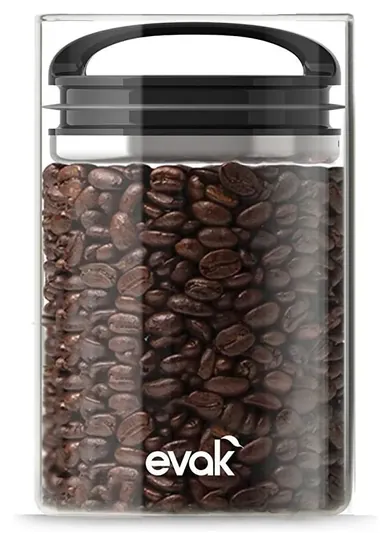
We said goodbye to the Bird Rock Bamboo, which suffered from quality issues. We replaced it with the Prepara Evak, a unit loved by baristas. Its plunger-style lid is perfect for displacing air and keeping it out, but it can take a bit of power to pull it out from the bottom when contents run low, which is something to keep in mind if you have arthritis or a compromised grip. We also sadly scrapped the Osaka Jar due to availability issues. We added the well-loved and super effective BlinkOne Container in its stead. The BlinkOne model's non-porous surface makes it great for odorous contents like coffee, tea, herbs, and spices since it won't absorb and transfer smells if you change it out. It has a generous capacity and comes with a magnetic spoon that nests neatly inside the top, saving counter space.
Special Honors
Planetary Design Airscape Range Planetary Design, the Montana company behind the Airscape, sells the canister on its own site in more sizes and finishes than most stores carry, including a kilo size for 2.2-pound bags of beans and a smaller one for half-pound bags. planetarydesign.com
Valve, Plunger Or Vacuum
A plunger lid, like the Airscape's inner lid or the Prepara Evak's, sits right on the beans, so very little air is left above them.
Every canister here fights the same thing: oxygen. They go about it in three ways.
A one-way valve with a clamp lid, as on the Veken and Coffee Gator cans, lets freshly roasted beans push out carbon dioxide for the first days after roasting without letting outside air back in. Italian roaster Caffe Ernani prefers this design, because a sealed vacuum traps that gas and can draw aromas out of the beans.
A plunger lid, like the Airscape's inner lid or the Prepara Evak's, sits right on the beans, so very little air is left above them. A vacuum lid goes a step further and pulls the air out. Fellow says its manual Atmos needs a twist every four or five days to top up the vacuum, and it asks owners to keep ground coffee, sugar and flour out, since fine powder can clog the valve.
Which works best? No lab test settles it. A side-by-side at HomeGrounds found a vacuum canister and a push-button can about equal after three weeks. Any of these beats an open bag.
Light, Size And Material
Light breaks down coffee oils, so an opaque body matters more than looks. Steel and black plastic block it completely. Clear glass and plastic, including the OXO POP, the Bialetti jar and the Evak, need a closed cupboard. A small window strip, like the one on the 22-ounce Veken, lets in a little.
Match the container to the bag you buy. Less empty space means less oxygen sitting on the beans. Most U.S. bags hold 12 ounces or a pound; Planetary Design says its 7-inch Airscape holds about a pound, and it sells a kilo size for 2.2-pound bags. Bialetti's jar suits a 250-gram European bag, and Fellow's 0.7-liter Atmos holds about 10 ounces.
Stainless steel is tough and holds no smell, but most steel cans are hand wash only. Glass holds no smell either. Plastic is light and often dishwasher safe, but it can keep the scent of an old roast, so wash and dry any canister fully between bags.
Where To Keep It, And The Freezer Question
Keep the canister at room temperature in a dark cupboard, away from the stove, the dishwasher vent and a sunny window. Roasters such as Cafe Britt suggest buying only what you'll use in two to four weeks and grinding just before you brew.
The fridge is a poor spot: beans pick up moisture and smells there. The freezer is argued over. A Penn State study, summarized by COMSOL, found that freezing beans in an airtight container helped dark roasts more than light ones. If you freeze, split the bag into small sealed portions, let each warm up before you open it so water doesn't condense on the beans, and don't refreeze.
Don't top up old beans with new ones. Empty, wash and dry the canister between bags, because the oils left behind go rancid. The Way to Coffee gives the same advice.
How we researched this
We compared 20 coffee canisters and jars, read the makers' product pages, size charts and care notes for the 9 picks, analyzed owner feedback patterns, read roaster guidance on valves, vacuum and freezing, and searched CPSC recall records and news for each brand without finding a recall. Updated October 27, 2026 by Ezvid Wiki Admin.
Sources (9)
- Caffe Ernani: coffee storage with vacuum vs one-way valve
- Fellow: Atmos vacuum canister
- Planetary Design: coffee storage
- HomeGrounds: best coffee storage containers
- COMSOL blog: should you freeze your coffee beans
- Cafe Britt: how we keep our coffee fresh
- The Way to Coffee: coffee storage
- SCA News: shelf life of roasted coffee, a literature review
- CPSC recalls
Frequently asked questions
Should I store whole beans or ground coffee?
Whole beans. Grinding exposes far more surface to air, and Caffe Ernani notes that ground coffee can lose most of its aroma within about 15 minutes. Grind just before you brew if you can.
Can I keep coffee in the fridge or freezer?
Skip the fridge, where beans pick up moisture and smells. The freezer can work for longer storage if you freeze small sealed portions, let each warm to room temperature before opening and never refreeze.
Why do some coffee canisters have a valve?
Freshly roasted beans give off carbon dioxide for days. A one-way valve lets that gas out without letting outside air in, so the lid doesn't bulge and the beans aren't sitting in fresh oxygen.
Is the original coffee bag good enough?
A roaster's valve bag, squeezed flat and sealed tight, works for a short time. A canister is easier to close well after every opening and blocks light just as well if it's opaque.
Can I store tea, sugar or spices in a coffee canister?
Most of these work for tea and sugar too. The exception is a vacuum canister like the Fellow Atmos: Fellow says powders and ground coffee can clog its valve.
How long do coffee beans stay fresh?
Roasters generally suggest using beans within two to four weeks of the roast date. A good canister slows staling but doesn't stop it, so buy smaller bags more often.