The 10 Best Camping Lanterns
Updated by · How we research

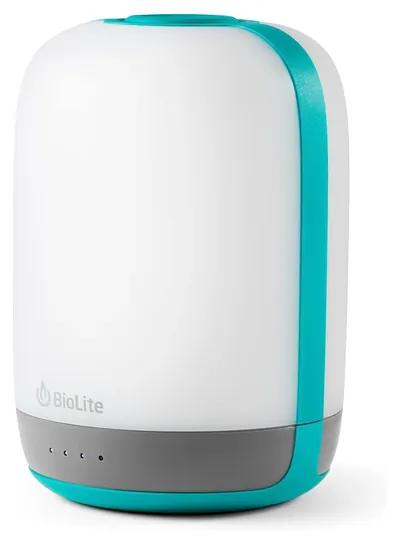
Rechargeable, AA, D-cell and solar LED lanterns compared on light quality, real runtime and power. The BioLite AlpenGlow 500 leads for its soft, even glow. When users buy our independently chosen editorial choices, we may earn commissions to help fund the Wiki.
The lumen figure on a lantern box is usually measured in the first minutes on high, and most rechargeable lanterns last only three to five hours at that setting. About 100 lumens fills a tent, while a whole campsite needs a few hundred. These battery and solar LED picks cover car camping, backpacking, boats and the power outage at home.


Editor's Notes
October 27, 2026, by Ezvid Wiki Admin:
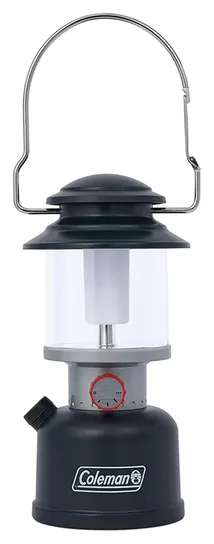
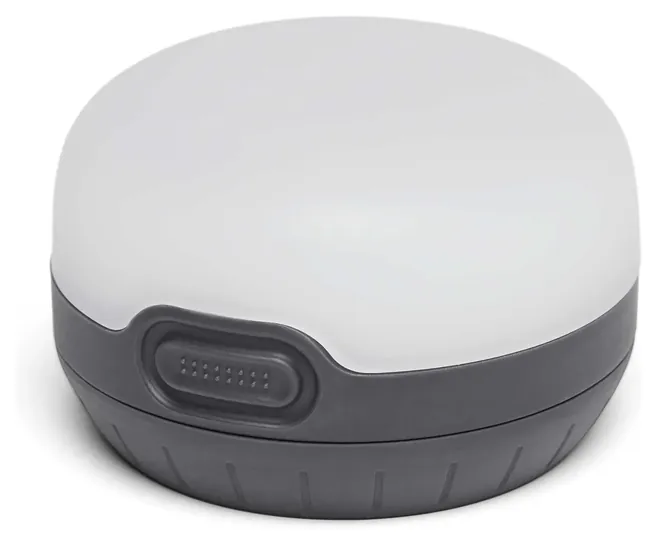
The BioLite AlpenGlow 500 is the new first pick. Its light is soft enough to sit under at dinner, two major outdoor gear sites name it their best overall lantern, and its charging port has a record of lasting for years. The Coleman Classic Rechargeable follows for families who want a big, bright lantern with a phone port.
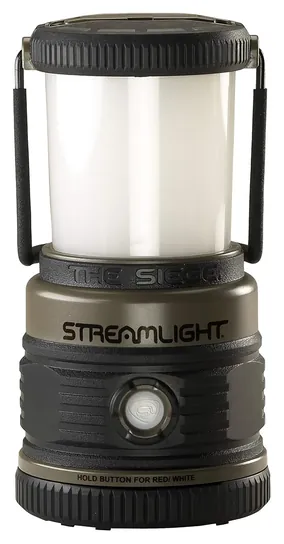
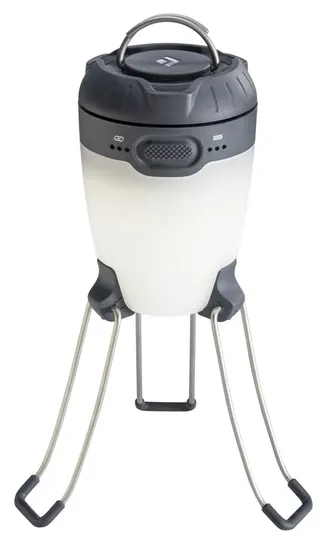
Seven of the ten old picks had to go. The Goal Zero Lighthouse 400, Black Diamond Moji+ and Ultimate Survival Technologies 30-Day are no longer sold, so the Black Diamond Moji+ takes the backpacking spot and the Goal Zero Lighthouse 600 appears as a special honor. The MPowerd Luci lives on as the BioLite Luci Original. We dropped the Rayovac Sportsman, MalloMe Camping, Coleman Quad and AGPtek Dynamo, older designs with little current evidence behind them. The Black Diamond Apollo and Streamlight Siege stay.
OutdoorGearLab's side-by-side brightness and runtime measurements of 20 lanterns shaped this ranking more than anything else, because they showed how far real high-setting runtimes fall below the numbers on the box. We left out propane and liquid-fuel lanterns: they are heavy, and they can't be used safely inside a tent.
June 06, 2019:
Although they'll set you back a little more than some no-name brands, we think the Goal Zero Lighthouse 400 and Black Diamond Apollo are both options that are worth investing in. They're known for durability as well as wide-ranging functionality, so you can take them along on just about any kind of adventure. The Lighthouse 400 is especially handy for off-grid scenarios thanks to a crank (60 seconds gets you 10 minutes of light) and the ability to charge it via solar panel. You'll need to purchase this separately, however, adding to the overall cost. But it's not totally necessary, as you can charge it via USB, as well. If you've got your sights set on something a bit less spendy, there's the MalloMe Camping, which is sold as a pack of two. They're great for camping but also for emergency preparedness on a budget, but don't expect to receive the same rugged construction.
We're also happy to see that the updated MPowerd Luci has a more robust strap on the bottom. Across various versions of the Luci, the strap has been criticized, mainly because it can be slightly tough to use without breaking. But do note that it, as well as the rest of the light, aren't as rugged as some hard plastic options, so you'll want to treat them with care.
Special Honors
Goal Zero Lighthouse 600 The Goal Zero Lighthouse 600 replaces the Lighthouse 400 that once led this list. It puts out up to 600 lumens, charges from USB or a built-in hand crank, and can charge a phone from its USB power hub. OutdoorGearLab rated it the best lantern it tested, although Switchback Travel found it lasts only about two and a half hours on high. Goal Zero sells it on its own site. goalzero.com
How Much Light You Actually Need
Brightness is the number every box leads with, and it's the one most worth questioning.
Brightness is the number every box leads with, and it's the one most worth questioning. For reading or packing inside a tent, 100 to 200 lumens is plenty, and Bob Vila's guide suggests as little as 40 to 100 (Bob Vila). Lighting a picnic table and the ground around it takes 200 to 600 lumens. Past 1,000, most lanterns are more light than a campsite needs, and the top figure often holds only for the first minutes (Switchback Travel).
Runtime claims work the other way: makers quote the lowest setting. In OutdoorGearLab's measurements, large rechargeable lanterns ran roughly three to six hours on high, and the compact Black Diamond Apollo under three. Plan around the high or medium figure if you'll use the lantern for cooking or games.
The quality of the light matters as much as the amount. A frosted or diffused globe spreads light evenly and is easier on the eyes than a bare LED, which can glare like a flashlight. Warm white is kinder for a long evening, and a red mode keeps night vision for stargazing or late trips outside the tent.
Rechargeable, Disposable Batteries Or Solar
A built-in lithium-ion battery is the easy choice for car camping: charge it at home, and many models will top up a phone from a USB port. The catch is that the battery usually can't be replaced, so the lantern's life ends with it (Bob Vila). Charging a phone also drains a lantern fast, so treat that as an emergency feature.
AA, AAA and D-cell lanterns make sense for long trips and storm kits, because spares last for years in a drawer and a fresh set means full power again (Advnture). Lithium or rechargeable NiMH cells hold up better than alkalines at high output and in cold weather, and alkalines can leak in storage (1Lumen). A hybrid such as the Coast EAL30R gives you both options.
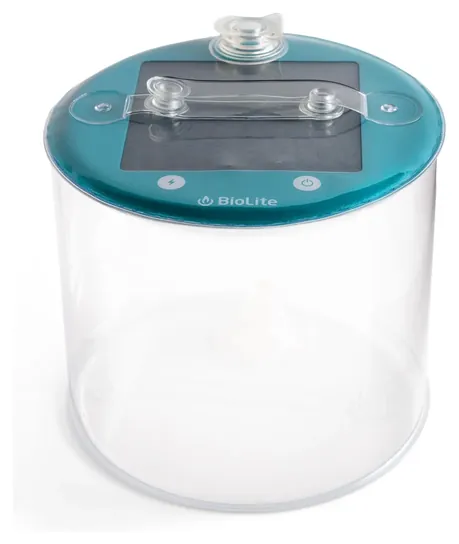
Solar lanterns charge slowly and need a full day of direct sun. Inflatable ones such as the BioLite Luci Original pack flat and float, but they are dim. In Treeline Review's long-term use, every solar lantern with a phone-charging feature eventually lost that function.
Water, Hanging And Safety
Most lanterns are rated IPX4, which means they handle rain and splashes but not a dunk. If a lantern may end up in a lake or a flooded basement, look for IP67 or a maker's promise that it is submersible, as with the Streamlight Siege and the Luci. Check how a lantern hangs, too: a hook or bail handle is handy, but some straps are too thick for a tent's ceiling loop (Switchback Travel).
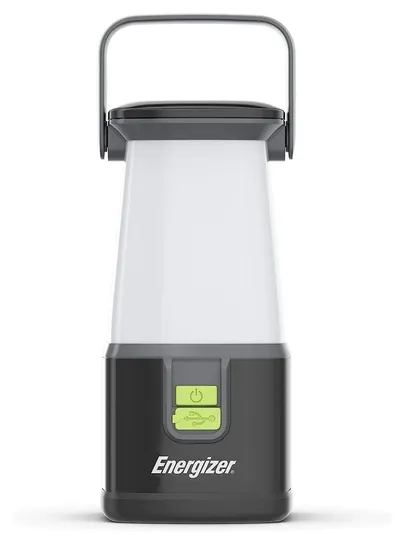
Lithium-ion lanterns can overheat. In January 2026, the U.S. Consumer Product Safety Commission announced a recall of an Energizer rechargeable lantern sold in 2024 (CPSC); none of the lanterns on this list is affected. Charge with the supplied cable, don't charge under a sleeping bag or leave the lantern in a hot car, and stop using one that swells.
Never run a propane, kerosene or liquid-fuel lantern inside a tent, camper or closed room. It burns oxygen and gives off carbon monoxide, which can kill without warning (CPSC). That is why this list sticks to LED lanterns.
How we researched this
We compared about 25 camping lanterns, including every item from the previous version of this page, read the makers' specifications and spec graphics for the 10 finalists, and weighed them against independent brightness and runtime measurements from OutdoorGearLab and long-term reviews from Switchback Travel, Treeline Review and Bob Vila. We also looked at owner feedback patterns and checked every brand against U.S. Consumer Product Safety Commission recalls.
Sources (9)
- OutdoorGearLab: best camping lanterns
- Switchback Travel: best camping lanterns
- Treeline Review: best camping lanterns
- Bob Vila: best LED lanterns
- Advnture: best camping lantern
- 1Lumen: best camping lanterns
- CPSC: Energizer rechargeable lantern recall (2026)
- CPSC: Carbon Monoxide Information Center
- Goal Zero: Lighthouse 600
Frequently asked questions
How many lumens do I need in a camping lantern?
About 100 to 200 lumens lights the inside of a tent. For a picnic table and the ground around it, look for 200 to 600. More than 1,000 is usually more than a campsite needs and drains the battery fast.
Can a camping lantern charge my phone?
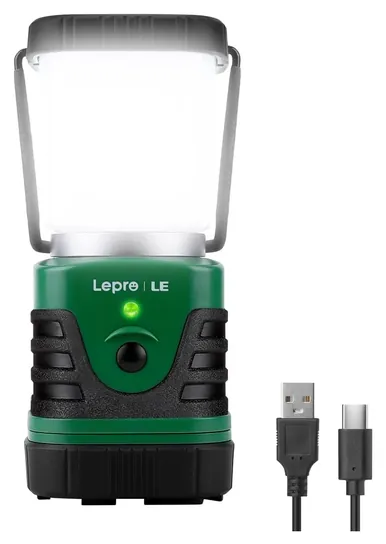
Many rechargeable lanterns, including the BioLite AlpenGlow 500, Coleman Classic Rechargeable and Lepro 1000LM Rechargeable Lantern, have a USB port for that. Charging a phone uses up the lantern's battery quickly, so save it for emergencies.
Are solar lanterns worth it?
For a light that packs flat and never needs an outlet, yes. Solar lanterns are dim, though, and need a full day of direct sun to recharge. Phone-charging features on solar lanterns tend to fail over time.
Can I leave a lantern on all night?
An LED lantern on its low setting can run all night without much heat. Keep it away from bedding while it charges, and use the cable the maker supplies.
Is it safe to use a propane or fuel lantern in a tent?
No. Fuel lanterns use up oxygen and give off carbon monoxide, which can kill in a closed space, and they are a fire risk. Use an LED lantern inside tents and campers.
Should I get a lantern or a headlamp?
Bring both if you can. A headlamp lights where you look; a lantern lights the whole tent or table. In a pinch, a headlamp strapped to a water jug makes a decent lantern.