The 8 Best Binoculars
Updated by · How we research

Eight binoculars compared on glass, steadiness, eye relief and warranty, from pocket pairs to a stabilized model. The Celestron TrailSeeker ED 8x42 leads. When users buy our independently chosen editorial recommendations, we may earn commissions to help fund the Wiki.
Most people should buy eight-power binoculars, not ten or twelve: the lower power shows a wider, steadier picture that's easier to keep on a moving bird or player. Bigger numbers on cheap pairs usually mean heavier, shakier and dimmer views. This list is for birders, hikers, hunters and fans who want one good pair that lasts for years.


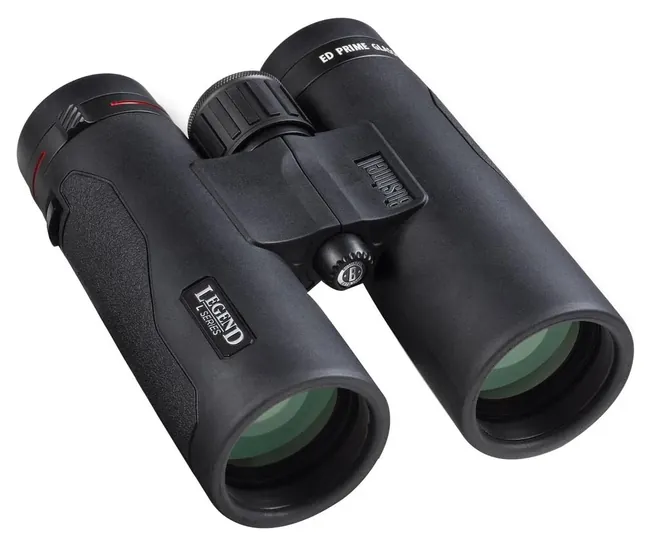
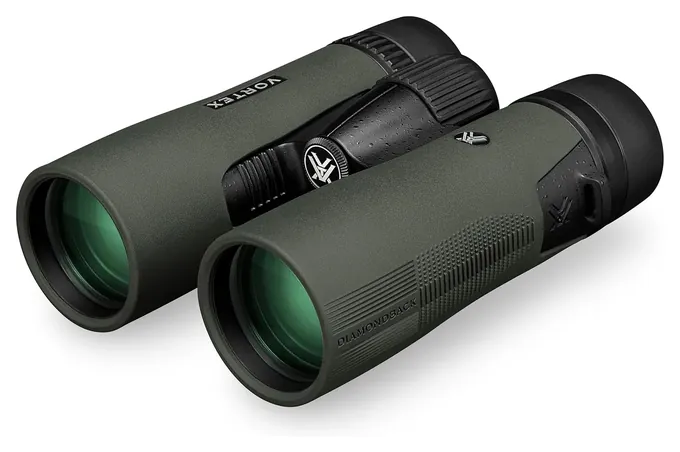
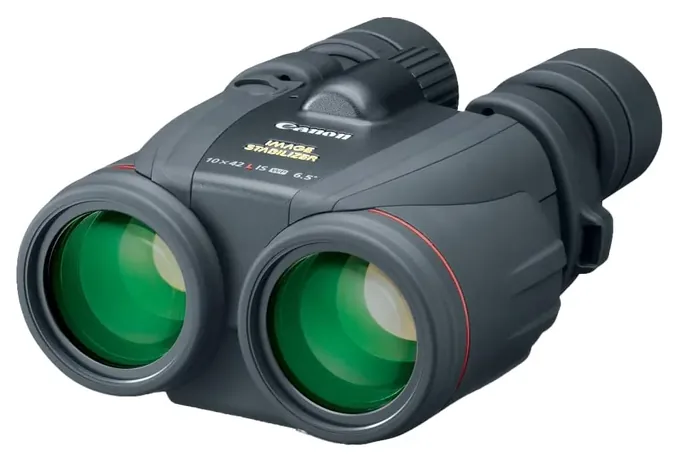
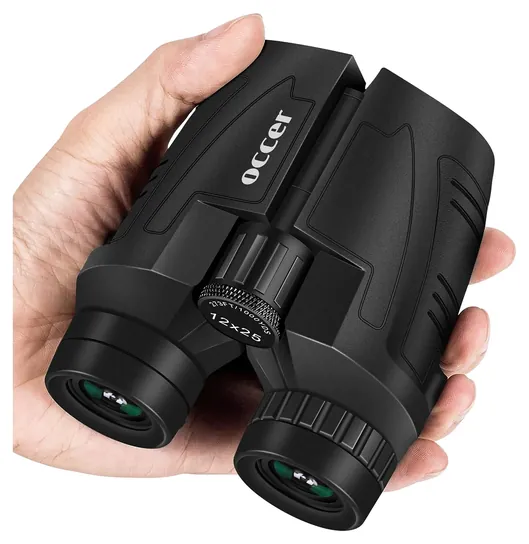
Editor's Notes
October 26, 2026, by Ezvid Wiki Editors:
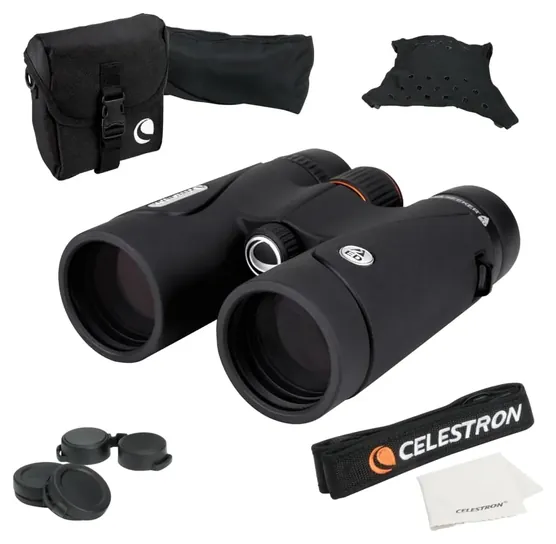
The Celestron TrailSeeker ED 8x42 now leads, because eight-power with ED glass is the steadiest, most forgiving choice for birds, trails and games, and independent reviewers rate it one of the best values in its class. The Canon 10x42 L IS WP, the old leader, stays as the pick for shaky hands and boats, but its price puts it out of reach for most readers.
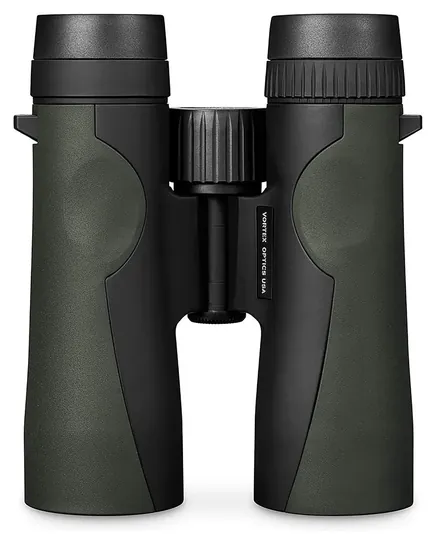
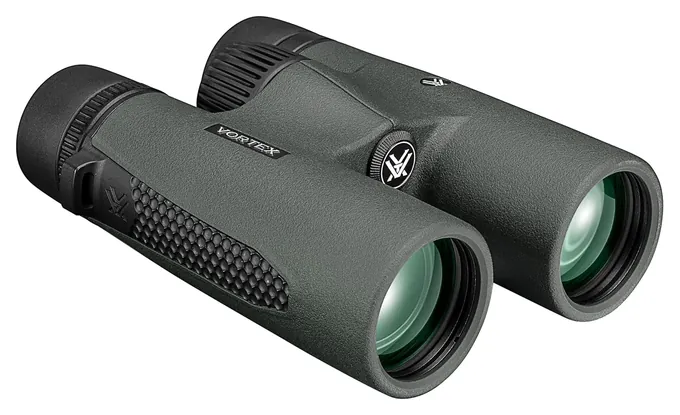
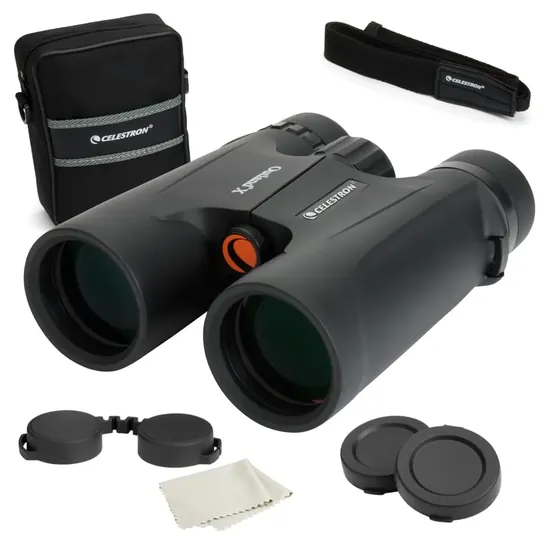
We dropped the Athlon Optics Midas UHD 10x42 because Athlon has replaced it with a second-generation model. The Bushnell H2O went because its 10x42 version finished last in a 16-pair lab comparison, and the Nikon Aculon is now sold only as a zoom model. The Gosky Stargazer, Bushnell Falcon and SkyGenius Clear were old budget pairs with nothing current to back them. New picks are the Vortex Crossfire HD 10x42, Vortex Triumph HD 10x42, Celestron Outland X 10x42 and the pocket-size Occer 12x25. The Vortex Diamondback HD 10x42 stays, though it's hard to buy new right now.
What shaped the order most was OutdoorGearLab's scores for 16 pairs, measured against a resolution chart and a light meter, which also told us which popular models to avoid.
Earlier notes
February 5, 2021, by Will Rhoda:
We swapped out the Vortex Optics Diamondback for the company’s upgraded offering – the Vortex Optics Diamondback HD, which, among other things, caught our eye with their included, fashionable harness – and also wound up removing the Olympus Trooper and Merytes Portable due to availability issues. To replace those two choices, we added two new selections to our list. Both are high-quality instruments that perform as well as many models that are significantly more expensive.
Our first new addition, the Celestron TrailSeeker, comes well equipped with a number of accessories, but what really caught our eye was its optional smartphone adapter. Admittedly, the adapter comes at an additional cost, but that definitely didn’t stop it from looking like a pretty cool toy.
Our second new inclusion, the Athlon Optics Midas UHD 10x42, features a weather-sealed, lightweight magnesium chassis, and is backed by a full lifetime warranty. So, even if this pair breaks down due to natural wear and tear, the company promises to repair them at no cost.
May 30, 2019, by Sam Kraft:
The Steiner Champ were no longer available, so we removed them from the list. In their place, we added the Canon L, a high-end model that does not skimp on craftsmanship or innovative technology. Users rave about their ability to keep an image steady and free of shaking regardless of the conditions, which is ideal for outdoor activities, particularly star viewing (where reliable stability is a must) and for use while aboard moving vehicles.
We gave the Bushnell Falcon a slight bump in the rankings — as a budget model, most people realize they won’t be perfect, but the image clarity and powerful magnification make them an excellent value. Bird watchers in particular like their lightweight design and the ease with which the focus can be adjusted, even if they're not as durable as more expensive models and the carrying case isn’t super high quality.
While the Gosky Stargazer is a solid option, we moved them out of the top three after uncovering some complaints regarding the smartphone adapter, which can be quite tricky to use. The optics seem to be on par with what you can expect from relatively low-cost models.
Special Honors
Zeiss Victory SF The Zeiss Victory SF scored highest of 16 pairs in OutdoorGearLab's lab comparison, with a wide, bright, very sharp view that birders prize. It costs several times as much as anything on the main list, so it's for people who will use binoculars every week for years. Zeiss sells it through optics dealers in several sizes. zeiss.com
Eight Or Ten Power, And What The Second Number Means
If you want more power without the shake, stabilized binoculars use batteries and a moving prism to cancel hand tremor.
The first number is magnification and the second is the width of each front lens in millimeters. An 8x42 pair makes things look eight times closer through 42-millimeter lenses. In OutdoorGearLab's binocular comparison, 8x is the standard for most people, 10x suits steady hands and open country, and 12x or more needs a brace or tripod because every heartbeat shows in the image. Higher power also narrows the view, so a flitting warbler or a running back is harder to find.
The second number sets brightness and bulk. Pairs around 25 millimeters fit a pocket but go dim at dusk. A 42-millimeter pair is the all-round size, bright enough for early mornings and light enough to carry all day. A 50-millimeter pair gathers more light but adds about half a pound: Vortex's Crossfire HD weighs 23 ounces as a 10x42 and about 31 ounces as a 10x50. Big numbers like 20x50 on cheap pairs mostly mean a heavier, shakier, dimmer picture.
If you want more power without the shake, stabilized binoculars use batteries and a moving prism to cancel hand tremor. They cost far more, but they're the one way to hand-hold 10x or more comfortably on a boat.
Glass, Coatings And Eye Relief
Cheap glass splits light into colors, so dark branches against a bright sky grow purple or yellow edges. ED (extra-low dispersion) glass reduces that fringing, and phase coatings on roof prisms keep the image sharp and contrasty. These help, but they're not magic: OutdoorGearLab found its top budget pick, the Vortex Diamondback HD 8x42, still showed some fringing, while the Nikon Prostaff P3 scored low for clarity with heavy yellow and magenta edges. BestBinocularsReviews rates the Celestron TrailSeeker ED 8x42 among the best values in its class.
Brightness depends on lens size, but also on coatings and prism glass. BaK-4 prisms give a round, evenly lit exit pupil; cheaper BK-7 prisms show a squared-off, grayer edge.
Eye relief is the distance your eye can sit behind the eyepiece and still see the full view. If you wear glasses, look for 15 millimeters or more and eyecups that twist down. The Celestron Outland X lists 18.2 mm and the Vortex Triumph HD 17 mm; OutdoorGearLab found the Prostaff P3's 15.5 mm left some glasses wearers short of a full view.
Sealing, Warranties And Safety
"Waterproof" means sealed with O-rings; "fogproof" means the air inside was replaced with dry nitrogen or argon, so the lenses don't fog inside when you walk from a warm car into cold air. Vortex lists argon purging on the Diamondback HD and nitrogen on the Triumph HD. Budget pairs that say "waterproof" without a rating are better kept dry.
Warranties vary more than glass at this price. Vortex's VIP warranty is unconditional and transferable: it covers drops and accidents for the life of the pair. Celestron offers a limited lifetime warranty that covers defects, not damage.
Never look at the sun through binoculars, even for a moment, and not during a partial eclipse. Binoculars concentrate sunlight and can burn the retina before you feel anything. Use only a proper solar filter made for the front of binoculars. We checked every brand on this list against the U.S. Consumer Product Safety Commission's recall database and found no binocular recalls.
How we researched this
We compared 14 current binoculars from eight brands, read the makers' specifications and warranty terms for the finalists, used OutdoorGearLab's lab scores for 16 pairs and BestBinocularsReviews' value ratings, and checked every brand against the U.S. Consumer Product Safety Commission's recall database. Updated October 26, 2026 by Ezvid Wiki Editors.
Sources (9)
- OutdoorGearLab: best binoculars (16 pairs, lab tests)
- OutdoorGearLab: Vortex Crossfire HD 10x50 review
- OutdoorGearLab: Nikon Prostaff P3 10x42 review
- BestBinocularsReviews: best value binoculars
- Vortex: Diamondback HD 10x42
- Vortex: Crossfire HD 10x42
- Vortex: Triumph HD 10x42
- Celestron: Outland X 10x42
- CPSC SaferProducts.gov recall search
Frequently asked questions
Should I get 8x42 or 10x42 binoculars?
Get 8x42 if you're unsure. It shows a wider, steadier view and is easier on birds and sports. Choose 10x42 if you mostly look across open country and have steady hands.
Are 10x50 binoculars better than 10x42?
They're brighter at dusk but heavier, by about half a pound in Vortex's Crossfire HD line. For most daytime use, 42 mm is the better balance.
What are the most powerful binoculars I can hold by hand?
About 10x for most people; 12x needs a brace. Above that, use a tripod or stabilized binoculars such as Canon's IS models, which cancel hand shake with batteries and a moving prism.
What binoculars work best with eyeglasses?
Look for 15 mm or more of eye relief and eyecups that twist down. The Celestron Outland X 10x42 lists 18.2 mm.
Can I look at the sun or an eclipse through binoculars?
No. Binoculars concentrate sunlight and can burn the retina instantly. Use only a certified solar filter fitted over both front lenses.
Do cheap high-power binoculars work?
Pairs sold as 20x50 or more for very little usually give shaky, dim images with soft edges. A good 8x or 10x pair shows more detail.