The 10 Best Beard Oils
Updated by · How we research

Ten beard oils compared by carrier oils, scent strength, pump or dropper, and fragrance-free choices. Honest Amish Classic leads for its rich plant-oil blend. When users buy our independently chosen editorial choices, we may earn commissions to help fund the Wiki.
No beard oil has been shown to grow a beard, whatever a bottle hints. What a good one does is soften coarse hair and ease the dry, itchy skin underneath, which matters most in the first weeks of growth. Most are a few plant oils plus scent, so your nose and your skin should decide more than the brand.
At a Glance
-
1
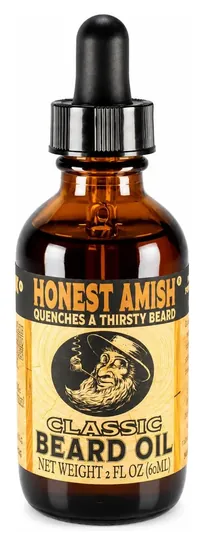
 Honest Amish Classic
$11
-
2
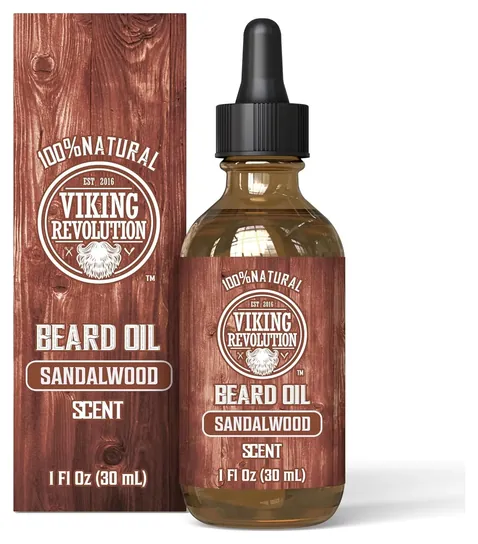
 Viking Revolution Sandalwood
$9
-
3
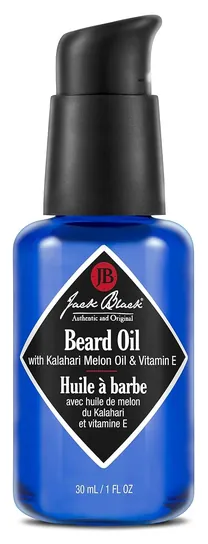
 Jack Black Beard Oil
$23
-
4
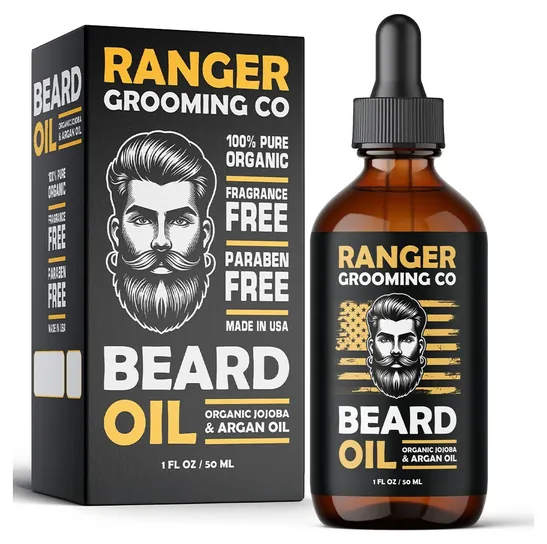
 Ranger Grooming Unscented
$10
-
5
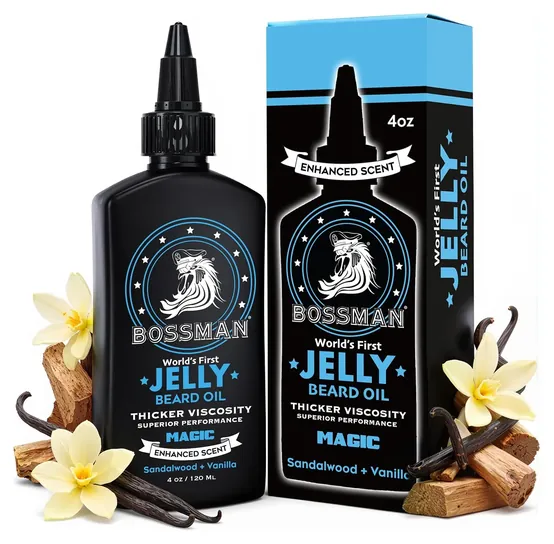
 Bossman Jelly Beard Oil
$16
-
6
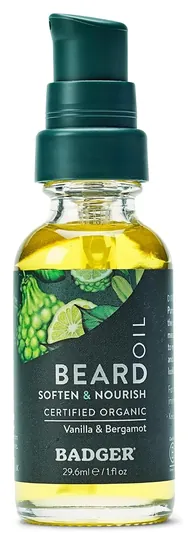
 Badger Organic Beard Oil
$16
-
7
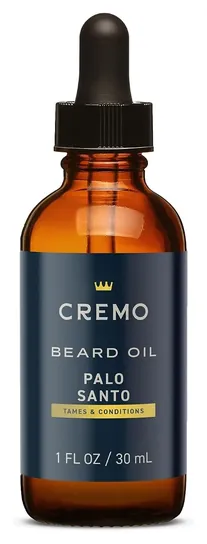
 Cremo Palo Santo
$11
-
8
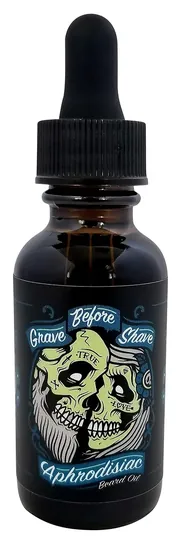
 Grave Before Shave Aphrodisiac Blend
$12
-
9
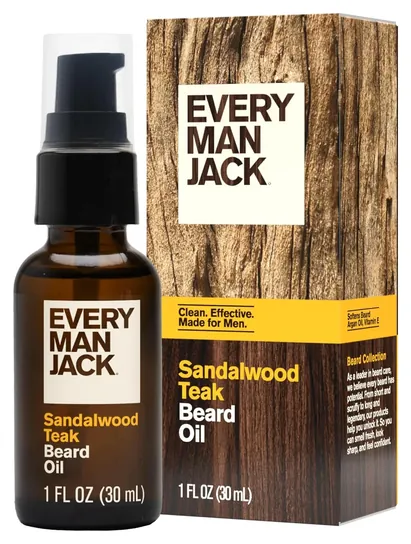
 Every Man Jack Sandalwood Teak
$10
-
10
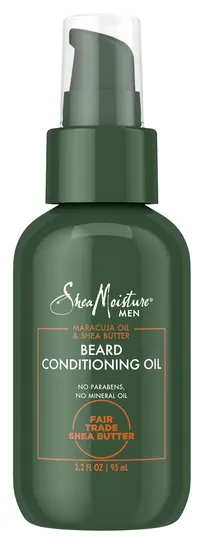
 SheaMoisture Beard Conditioning Oil
$8
Editor's Notes
October 26, 2026, by Ezvid Wiki Editors:
Honest Amish Classic now leads the list. Its blend of seven plant oils has held up with owners for years, and GQ's own roundup lands on the same pick. Viking Revolution Sandalwood stays as the low-cost choice, now as a single bottle instead of a three-pack, and Jack Black Beard Oil stays as the pump option, though it no longer carries the Kalahari name. Ranger Grooming Unscented is the old Leven Rose oil under a new name.
We dropped the Proraso Olio da Barba, Beardoholic Premium, Port Products Absolute and The Gentleman's Beard Bay Rum because of availability concerns. The additions answer searches we see often: a certified organic oil, two drugstore bottles and one made for curly beards.
Beard oil has no lab benchmark, so we read each maker's published ingredient list, weighed the scent oils most likely to irritate, and skipped any oil sold on claims that it grows hair.
Earlier notes
May 7, 2021, by Christopher Thomas:
It appears that Bearded Bastard's Woodsman has gone out of production at least for the time being, so we've removed it. Instead, we recommend the Viking Revolution 3 Pack, which comes in a variety of scents. None of its aromas are overly strong or sharp, and we appreciate that it's available with an unscented bottle, for events like job interviews where it might not be ideal to go in smelling like herbs.
If beard oil doesn't give you quite the body you're looking for, consider a beard balm instead. No matter which you choose, a good beard brush is a must-have, and a premium beard wash is also a great idea.
January 24, 2020, by Gia Vescovi-Chiordi:
Beard oils, not to be confused with beard balms, all have the same basic goals. They're formulated to soften hair and make it more manageable, as well as soothe dry skin and irritation, reduce flakes, strengthen hair and give it a healthy shine, and in many cases, leave behind a lovely aroma. The biggest choices on the consumer end are what fragrance (or lack thereof) suits you best and what ingredients will work best with your skin.
Most beard oils contain essential oils, which are 100% natural but can still be harmful. For example, tea tree oil can be toxic to pets and babies, so you might want to skip items that have it if you've got a little one or dog or cat running around. When in doubt, a quick google search will usually show you what essential oils can have harmful effects on others.
Today we said goodbye to Botanical Skin Works Natural Man, which was a fine choice but pales in comparison to Leven Rose Ranger. This highly-popular, straightforward oil contains two proven ingredients and is unscented and free of unnecessary chemicals, making it a smart choice for those who have sensitive noses and skin. When Grizzly Adam became unavailable, we took the opportunity to recommend Jack Black Kalahari in its place. This offering from Jack Black goes above and beyond with its formula, employing everything from carrot and brown algae that protect from free radicals to fatty-acid rich Kalahari melon oil and marula oil. Also joining the ranks today is Beardoholic Premium, a piney-fresh solution that's especially helpful for eliminating dandruff flakes and soothing inflamed, itchy skin.
Special Honors
Beardbrand Utility Oil Beardbrand renamed its beard oil Utility Oil and sells it mainly through its own store in a large bottle, with abyssinian, jojoba, castor and babassu oils. The maker pitches it for beard, scalp and skin, and GQ's roundup calls it its best multipurpose pick. beardbrand.com
What Beard Oil Can And Can't Do
It softens coarse hair, tames flyaways and eases the tight, flaky feel of dry skin under a beard.
Beard oil is a leave-in conditioner: a few carrier oils, such as jojoba or argan, plus essential oils or fragrance for scent. It softens coarse hair, tames flyaways and eases the tight, flaky feel of dry skin under a beard. Healthline names jojoba and argan among the oils that keep facial hair from drying out.
It won't grow a beard. Some bottles hint that it will, but we found no maker or independent study that shows measured growth. In the US, beard oil is a cosmetic, and a product that claims to treat a condition or regrow hair counts as a drug that needs FDA approval. Since the Modernization of Cosmetics Regulation Act, makers must register their products with the FDA and report serious reactions, but a label can still say only "fragrance" without naming what's in it.
Oil also has limits on itch. Early-growth itch mostly comes from the sharp ends of freshly cut hairs and from dry skin, and oil helps with the dry part. Red bumps, pus-filled spots or a scaly rash that won't settle can be folliculitis, seborrheic dermatitis or a fungal infection, which need a dermatologist, not a nicer oil.
Carrier Oils, Scent And The Bottle
Look at the carrier oils first. Jojoba and argan are light and soak in; avocado, castor and shea are heavier and suit long, coarse or curly beards. A short list is easier on skin and easier to check for allergens; the beard brand Live Bearded suggests no more than three or four carriers, a sensible rule of thumb rather than a proven one. Watch for nut oils, such as sweet almond or macadamia, if you have a nut allergy.
Scent is the bigger daily choice. Essential-oil blends with clove, cinnamon or peppermint smell strong and can sting tender skin, and some fragrance blends carry known allergens such as linalool and limonene. If you wear cologne, an unscented oil avoids a clash, though plant oils still have a faint smell of their own.
Then pick the bottle. A dropper is cheap and precise but can drip; a pump gives a set dose with one hand. Thicker formulas such as Bossman's jelly oil add beeswax so the oil stays put, and "beard serums" like American Crew's are mostly silicone, which feels silky and light but isn't a plant oil.
How To Use It Without Irritation
Apply oil after a shower, when the beard is clean and a little damp. Jack Black's directions call for two or three pumps (Jack Black); Honest Amish suggests a dime-sized amount (Honest Amish). Use less on stubble and more on a long beard. Warm the oil in your palms, work it down to the skin, then comb it through.
The American Academy of Dermatology's beard-care tips (via Newswise) come down to a gentle routine: wash with a mild, fragrance-free cleanser, comb while the hair is wet and moisturize damp skin. Harsh soaps and strong fragrances can set off contact dermatitis.
Patch test any new oil on your jaw or neck for a day before using it all over, especially blends with clove, cinnamon or citrus oils (Wikipedia: beard oil). Keep it out of your eyes, and stop if you see redness or a rash.
How we researched this
We compared 16 beard oils, read the ingredient lists makers and sellers publish for nine of the 10 picks, looked at long-run owner feedback, read dermatology guidance on beard itch and FDA rules on cosmetic claims, and checked each brand against the Consumer Product Safety Commission's recall records, finding no recalls. Updated October 26, 2026 by Ezvid Wiki Editors.
Sources (15)
- Honest Amish: Classic Beard Oil
- Viking Revolution: Sandalwood Beard Oil
- Jack Black: Beard Oil
- Ranger Grooming Co
- Bossman: Jelly Beard Oil
- Cremo: Beard Oil
- American Crew: Beard Serum
- Beardbrand: Utility Oil
- GQ: The Best Beard Oil
- Healthline: Itchy beard
- Newswise: AAD tips on caring for facial hair
- FDA: Modernization of Cosmetics Regulation Act of 2022
- Wikipedia: Beard oil
- Live Bearded: Beard oil, 3 things you must know
- CPSC SaferProducts
Frequently asked questions
Does beard oil make a beard grow?
No evidence shows that it does. Beard oil softens hair and moisturizes the skin underneath, which can make a beard look fuller and neater, but it doesn't add hairs. Oils sold on growth claims are best skipped.
How much beard oil should I use?
Two or three drops or pumps cover stubble or a short beard. A long beard may need a dime-sized amount or a little more. Start small, since too much leaves the beard greasy.
How often should I use beard oil?
Once a day, after a shower, works for most people. In dry weather or during the itchy early weeks of growth, a second light dose in the evening can help.
Is Leven Rose or Jack Black beard oil better?
They suit different people. Leven Rose, now sold as Ranger Grooming Unscented, is just jojoba and argan oils with no added scent, from a dropper. Jack Black uses a longer plant-oil blend with a mild scent and a pump.
Why does my beard itch?
In the first weeks, the cut ends of new hairs and dry skin are the usual causes, and oil plus gentle washing helps. Itch with red bumps, flaking that won't clear or a spreading rash may be a skin condition worth showing a dermatologist.
Is there a fragrance-free beard oil?
Yes. Ranger Grooming Unscented has no added fragrance, and Honest Amish sells an unscented version of its oil. Plant oils still carry a faint natural smell of their own.