The 10 Best Atlases For Kids
Updated by · How we research

Kids' atlases from DK, National Geographic, Usborne and more, compared by age fit, edition year and map style. The DK Children's Illustrated Atlas leads. When users buy our independently chosen editorial picks, we may earn commissions to help fund the Wiki.
Age fit decides whether a kids' atlas gets opened twice. A picture atlas made for a 5-year-old bores a 10-year-old, and a dense student atlas loses a second grader. The print year matters too, since borders, country names and flags change. These picks run from first picture maps to school reference atlases for middle schoolers.
At a Glance
-
1
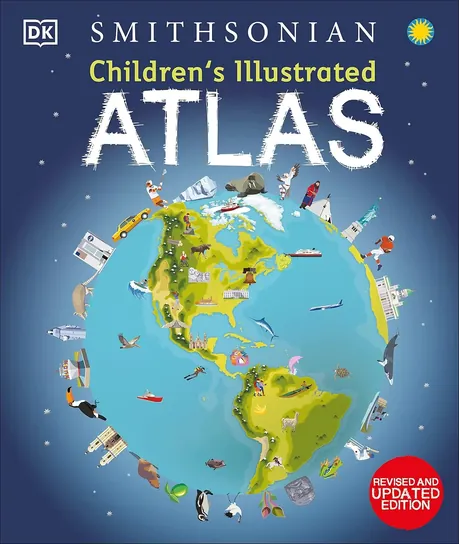
 DK Children's Illustrated Atlas
$10
-
2
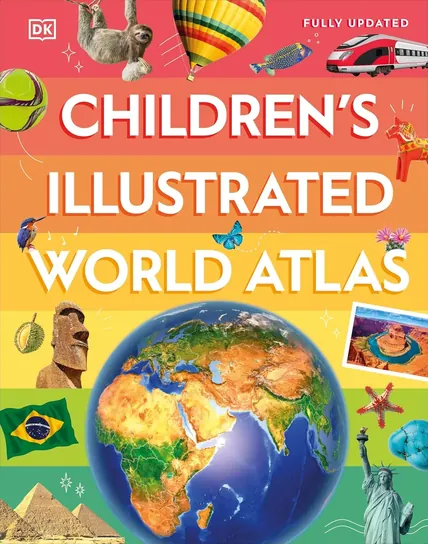
 DK Children's Illustrated World Atlas
$9
-
3
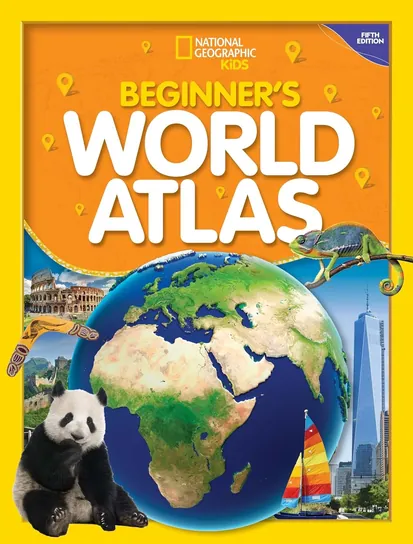
 National Geographic Beginner's World Atlas
$12
-
4
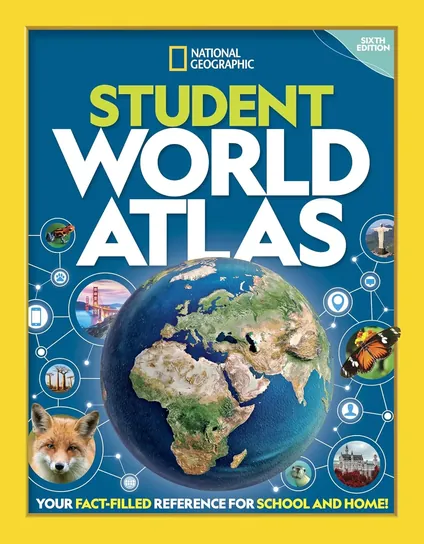
 National Geographic Student World Atlas
$18
-
5
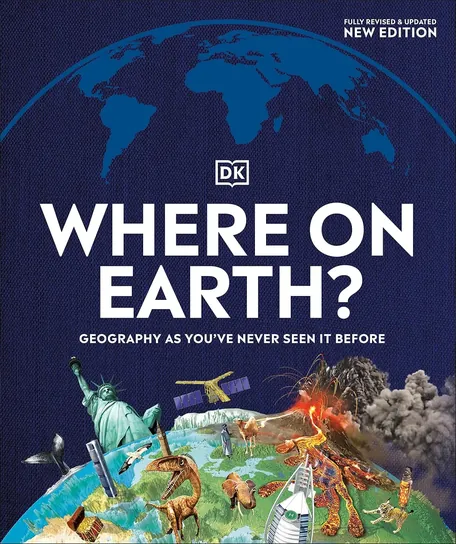
 DK Where on Earth?
$12
-
6
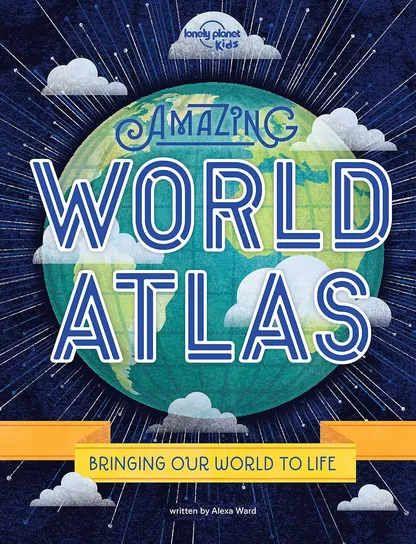
 Lonely Planet Amazing World Atlas
$17
-
7
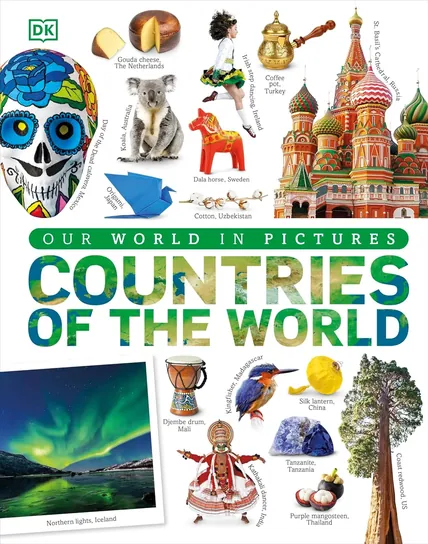
 DK Countries of the World
$23
-
8
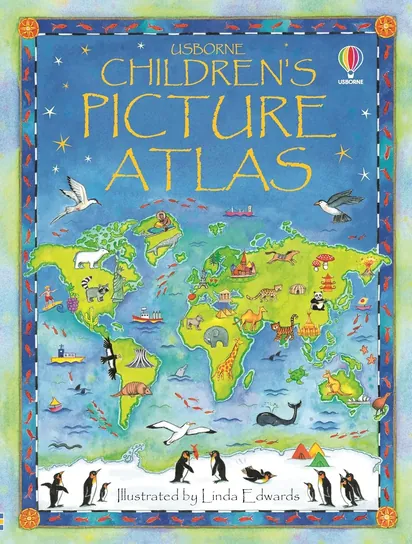
 Usborne Children's Picture Atlas
$11
-
9
 Merriam-Webster's Student Atlas
$8
-
10
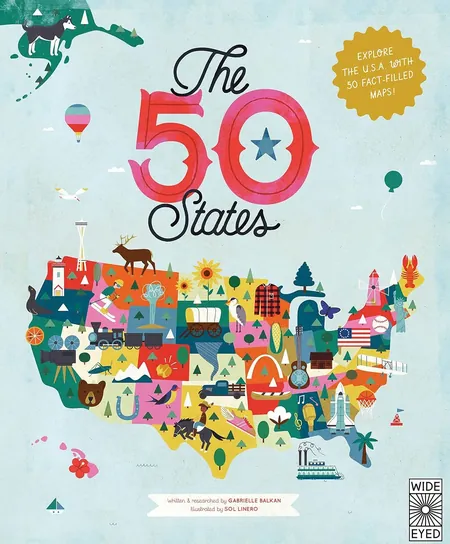
 The 50 States
$13
Editor's Notes
October 23, 2026, by Ezvid Wiki Admin:
The DK Children's Illustrated Atlas, revised with the Smithsonian in 2023, now leads the list because it's current, clear and pitched at the age when kids first get curious about maps. For older kids, we added the DK Children's Illustrated World Atlas and the National Geographic Student World Atlas, and for preschoolers the Usborne Children's Picture Atlas. DK Where on Earth? and DK Countries of the World are here for kids who'd rather browse than look up places.
We kept The 50 States and the Lonely Planet Amazing World Atlas, and moved the National Geographic Beginner's World Atlas and Merriam-Webster's Student Atlas to their current editions. When on Earth? and the Kingfisher Atlas of World History are history books, so they made way. We couldn't find the Atlas of Animal Adventures for sale, My Pop-Up World Atlas was thin and nearly gone, and the Space Atlas isn't about Earth.
Books can't be lab tested, so we weighed each publisher's edition date and age band, looked at the sample spreads, and read what parents and homeschoolers say when a book turns out too young or too dense.
February 15, 2021:
A few things were important to use when choosing our recommendations. They should contain useful information, ideally recently updated; they should be engaging; and they should cover a wide range of topics, so whether a child wants to learn about places, history, or animals there is a book here for them.
With the focus of including recently updated or written books, we removed the old National Geographic Atlas and replaced it with the 4th edition of the National Geographic Kids Beginner's World Atlas, which was updated in 2019 and is their newest version. We also removed the 2014 Lonely Planet edition and replaced it with the 2020 Lonely Planet Kids Amazing World Atlas. At this time, we also chose to eliminate the City Atlas and replace it with the Merriam-Webster's Student Atlas, which contains a significantly broader range of information. It is also has a bit more of a serious, textbook-like feel than many of our other recommendations that is perfect for mature kids, and we felt that style was lacking in our previous selections.
We tried to find more modern replacements for the Space Atlas and My Pop-Up World Atlas, which were written in 2014 and 2012, respectively, but at this time there are no better options that either cover the same topics, or have the same kind of engaging format.
March 08, 2019:
Despite the Barefoot Books World Atlas' charming illustrations and focus on different cultures across the globe, we decided to remove it due to a high number of reported factual errors. Added When on Earth? because it not only explains interesting historical events (such as the Arab Spring and how agriculture began), but it also presents an excellent opportunity for parent-child bonding, as many adults are sure to learn something from it as well. The 50 States nabbed the top spot thanks to its abundance of clearly-conveyed information and compelling visuals. You'll also find the Atlas of Animal Adventures and the Space Atlas for the critter and astronomy lovers in your life, as well as a pop-up selection (My Pop-Up World Atlas) that's great for tots who are just beginning to read and need a bit of extra stimulus.
Special Honors
The True Size Of This free website lets kids drag any country over another to compare their real sizes, which undoes the stretching of common flat world maps. Pulling Greenland onto Africa, or Alaska onto the lower 48 states, teaches more about map projections in a minute than a page of text. It runs in any web browser, with nothing to install. thetruesize.com
How we researched this
We compared 20 children's atlases from eight publishers and screened 10 finalists. For each, we checked the edition, print year, page count and the publisher's age or grade band, looked through the sample spreads, read parent and homeschool forum discussions about age fit, and checked every publisher against U.S. Consumer Product Safety Commission recalls (none involve an atlas). Map facts come from published references on projections and country name changes.
Sources (13)
- DK: children's books
- Penguin Random House: NGK Atlases
- Open Library: Children's Illustrated Atlas
- Wikipedia: Atlas
- Wikipedia: Mercator projection
- Wikipedia: Gall-Peters projection
- Wikipedia: Eswatini
- Wikipedia: North Macedonia
- Wikipedia: Turkey
- Well-Trained Mind forum: Best Children's Atlas
- Reddit r/geography: Best atlas for a nine-year-old
- The True Size Of
- CPSC SaferProducts.gov
Frequently asked questions
What is the best atlas for a 10-year-old?
A full children's world atlas made for ages 9 to 12, such as the DK Children's Illustrated World Atlas, fits most 10-year-olds. A strong reader who needs it for school can move up to a student atlas.
What age is right for a first atlas?
Picture atlases work from about age 3 or 4, read aloud. Kids of about 5 to 8 are ready for a first world atlas with real continent maps and short facts.
Is an atlas better than a globe?
They do different jobs. A globe shows true shapes and sizes, while an atlas holds far more detail, facts and theme maps. Many families use both.
Is an older atlas still fine for kids?
For mountains, rivers and continents, yes. Country names, borders, flags and population figures change, so for school use pick a recent edition and check the print year.
Hardcover or paperback?
A hardcover stands up to years of home use. A paperback student atlas is lighter for a backpack and cheaper, but its cover bends and wears.
Are pop-up and lift-the-flap atlases safe for toddlers?
Publishers usually mark them for ages 3 and up, because paper flaps and tabs can tear off. Children's books in the U.S. must also meet federal limits on lead and certain chemicals.