The 9 Best Aquarium Air Pumps
Updated by · How we research

The quiet, repairable Tetra Whisper 40 leads nine aquarium air pumps compared on airflow, noise, outlets and backup power, from desk tanks to fish rooms. When users buy our independently chosen editorial picks, we may earn commissions to help fund the Wiki.
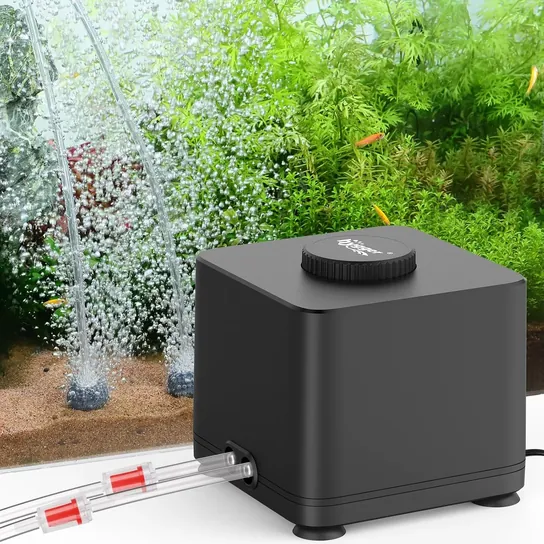
An aquarium air pump moves air, not water: it drives stones and sponge filters, and its bubbles help mostly by stirring the surface, where oxygen enters. Many tanks with a regular filter don't need one. It earns its keep in hospital and fry tanks, warm water and power cuts, with a check valve guarding the line.


Editor's Notes
November 1, 2026, by Ezvid Wiki Editors:
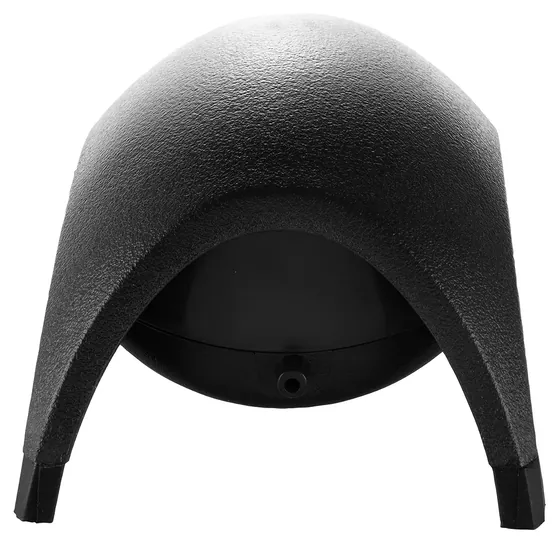
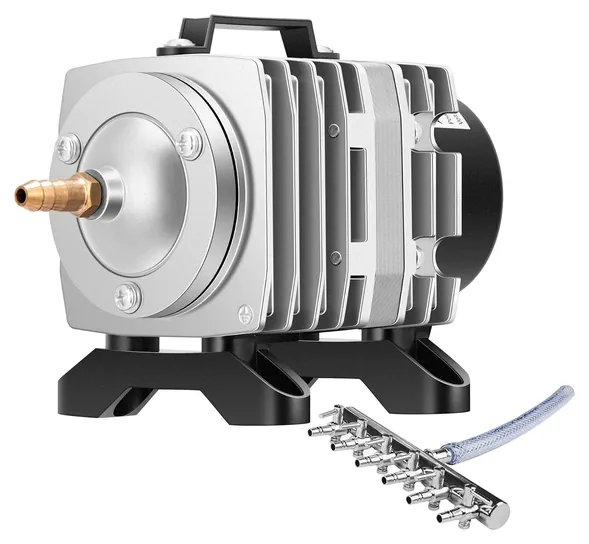
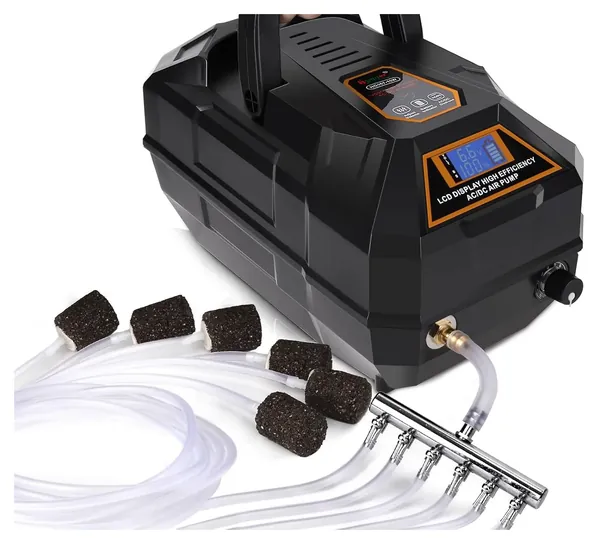
Our pick for most tanks is now the Tetra Whisper 40: American-made, quiet on a solid shelf, with a diaphragm that can be replaced with a cheap kit, which matters for something that runs around the clock. Several old picks weren't aquarium pumps at all: the Alita AL-80 and Danner Supreme Oxy-Flo are pond-class compressors, and the Marine Metal A-2 is a bait-bucket aerator. The Fluval A852 and EcoPlus Eco Air 8 can't be bought now, and the Vivosun ACO-009 is replaced by the Vivosun 6-Outlet Commercial.
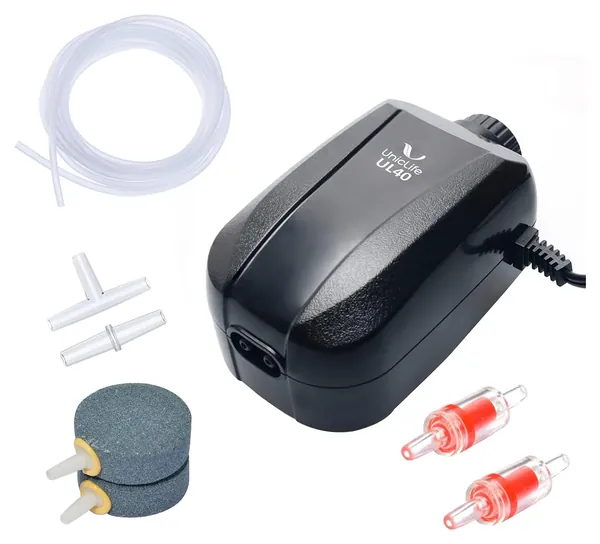
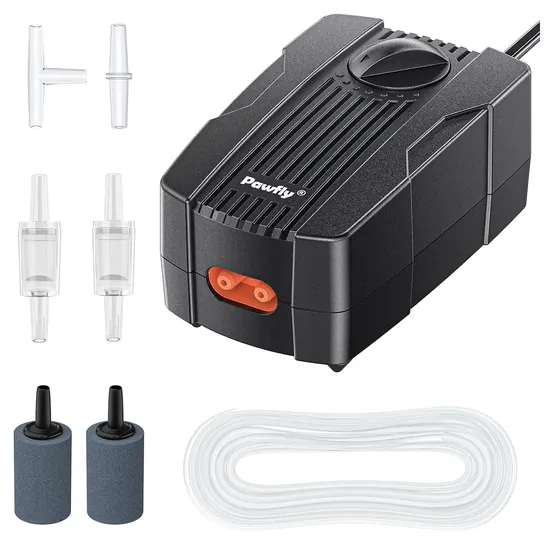
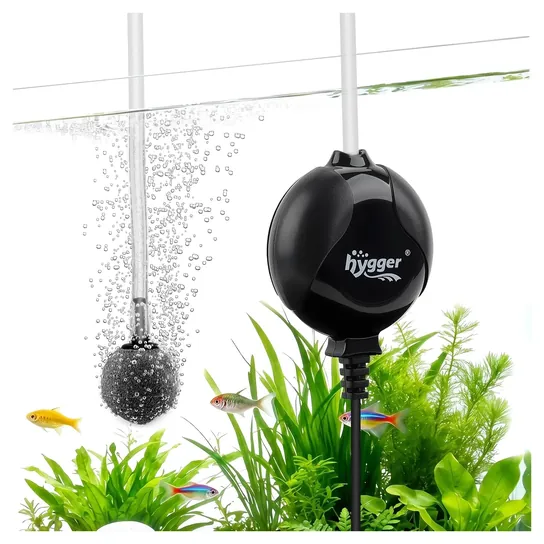
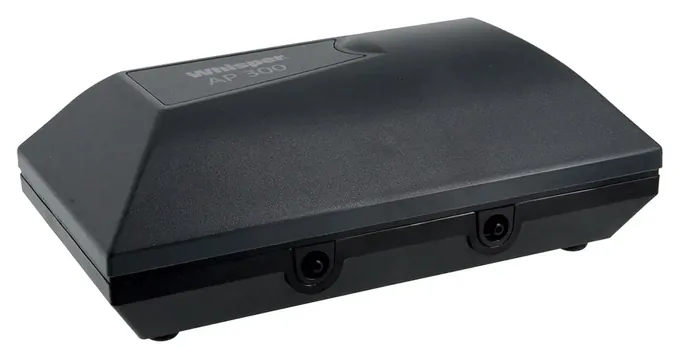
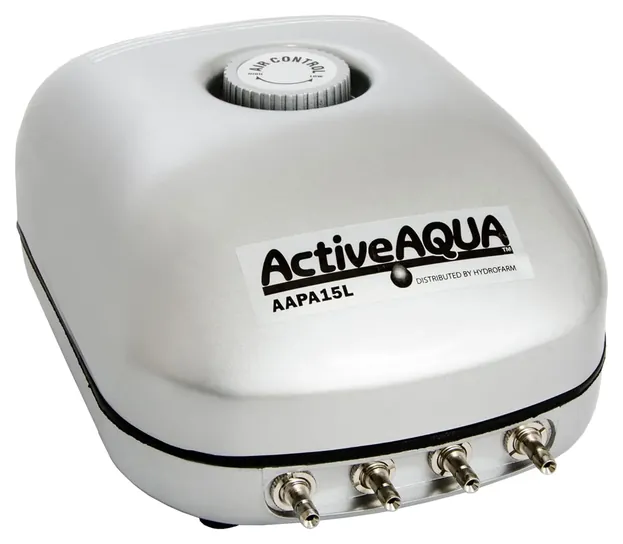
The Tetra Whisper AP300, Uniclife UL080, Hygger Mini and Active Aqua AAPA15L stay. New picks cover what fishkeepers ask for most: a quiet pump with real adjustment, a cheap starter kit and a battery backup for power cuts.
No lab has measured aquarium air pumps side by side, so we weighed makers' airflow and pressure ratings against AquaLogic HQ's informal decibel readings, fish-room threads and Aquarium Co-Op's advice on check valves and outages.
Earlier notes
December 1, 2020, by Karen Bennett:
A quality air pump can keep the inhabitants of your fish tank happy and healthy by providing aeration and making waves. In this update, the Fluval A852 comes on board, which is from a 30-year-old manufacturer of aquarium products like air pumps and canister filters. This powerful and reliable choice is good for large tanks, and features an advanced swing arm and diaphragm design for a flow that’s consistent. Compared to many, it runs quietly, thanks to a double-wall casing, a noise-suppressing baffle chamber, and an integrated pump well. It’s got an adjustable flow control, and all in all, it's a good value for the price. It replaces the Mylivell 1.8W, which we removed due to it being highly similar to the Hygger Mini, a compact and lightweight model that’s geared toward small tanks.
We’re still partial to the Alita AL-80, which boasts a high flow rate of 80 liters per minute. This powerful and thoughtfully designed selection runs quietly, consumes little energy, and doesn’t require lubrication over time. It’s versatile enough for use in koi ponds, fish tanks, hatcheries, and waste water treatment applications. It’s also available in three other models that move between 15 and 60 liters per minute. For another reliable and quiet choice from a reputable manufacturer in aquarium accessories, look to the Tetra Whisper AP300, which can pump air down to eight feet deep and works well in tanks with significant back pressure. It adds dramatic bubble effects to your fish’s environment, and you’ll enjoy sitting back to watch the mesmerizing show. You can purchase it with confidence, since it’s backed by a lifetime warranty. For safety’s sake, always abide by the written instructions that come with an aquarium air pump, for a proper setup.
July 12, 2019, by Karen Bennett:
An aquarium air pump keeps the water of your tank oxygenated, which is vital for the fish and plant inhabitants. Many setups feature this device in addition to an aquarium canister filter, and both help foster a healthy tank environment. When choosing one that’s right for your tank, consider factors like how much noise it makes (which will be important if you keep your aquarium in your bedroom or office), as well as the size of your tank. Our selection includes a range of designs and sizes, so there’s something for every setup and budget.
Joining the list is the Hygger Mini, which is designed for small tanks with a capacity of up to 15 gallons. Rather than a motor, its driven by an ultra-quiet, thin ceramic plate. It features a low-profile, compact design, measuring only 2.4 inches in diameter. Other components include an air tube, air stone, and power adapter. It comes with two hanging options: A suction cup as well as a clear plastic piece that can hold the pump and clip onto the side of the tank. The 3.6-foot-long tubing is soft and not likely to kink. You can choose a model that’s either black or white.
On the other end of the spectrum, capacity-wise, is the Alita AL-80, which is capable of handling tanks and ponds that hold 6,000 gallons of water. With all of its power, its still quiet and energy efficient, and no lubrication is required. It’s great for koi ponds, hatcheries, and large aquariums. It’s built like a tank and has been known to keep running for years for many an owner. Another solid choice, from a well-known company, is the Tetra Whisper AP300. It works great with deep water applications and creates a dramatic, mesmerizing bubble effect.
Leaving the list is the Deep Blue Professional Hurricane, due to availability concerns. No matter which model you select, for safety’s sake, never put your hand into the aquarium without turning off the pump first.
Special Honors
Aquarium Co-Op Air Pump Aquarium Co-Op, a fishkeeping store and video channel, sells its own USB-C air pump with a built-in battery that takes over during a power cut. The company rates it at about 20 hours of continuous running, or about 40 hours in its power-saving mode, and it is quiet enough for a living room. It sells through Aquarium Co-Op's own site and dealers. aquariumcoop.com
Air Pump Or Water Pump, And Do You Need One
A water pump or powerhead sits in the water and moves the water itself, which is what canister and sump systems need.
An air pump only moves air. It sits outside the tank and pushes air down a thin tube to an air stone, a sponge filter, a box filter or a bubbling ornament. A water pump or powerhead sits in the water and moves the water itself, which is what canister and sump systems need. If you searched for a pump to run a filter that has its own motor, you want a water pump, not one of these.
The bubbles themselves add little oxygen. They help by lifting water to the surface and breaking it up, and that is where oxygen enters and carbon dioxide leaves (Healthy Aquariums). A tank with a hang-on-back or canister filter that ripples the surface often needs no air pump at all.
A pump earns its place in a few cases. Sponge filters in fry, shrimp and hospital tanks run on air. Warm water holds less oxygen, and some medications lower it further. A battery-powered pump keeps fish alive through a power cut. Planted tanks with injected carbon dioxide are the exception: heavy bubbling while the lights are on drives off the gas the plants are being fed, so run the pump at night or not at all (Aquarium Co-Op).
Size It By Airflow, Not By Gallons
The gallon ratings on boxes are rough at best, because the real limit is how much air reaches the far end of the line. A common rule of thumb is about half a liter to a liter of air per minute for every 10 gallons, then extra for each device: roughly 8 to 12 GPH for a small stone, 15 to 25 GPH for a standard stone and 25 to 35 GPH for a sponge filter in a 5- to 20-gallon tank, plus a 15 to 20 percent margin (AQQA air pump calculator).
Depth matters as much as volume. Every foot of water pushes back on the air, and fine-pore stones and long bubble walls add more resistance. Small pumps that look fine on paper can barely bubble at the bottom of a tall tank, which is why Tetra sells its Whisper AP line for deep water and rates the AP300 to about 8 feet.
It is better to buy a little too much pump and bleed off the extra with a gang valve or the pump's own dial than to run a small one flat out. Tiny piezo pumps, the near-silent disc type, are the exception: they move well under half a liter a minute and only suit a single small stone, and Hygger says its Mini can't run a sponge filter.
Check Valves, Placement, Noise And Upkeep
If the pump sits below the water line, put a check valve in the airline. Without one, a power cut lets tank water siphon back down the tube into the pump and onto the floor or the outlet. The valve goes a few inches from the pump with its arrow pointing toward the tank (Aquarium Co-Op check valve). Mounting the pump above the tank rim and giving the cord a drip loop adds another layer of protection.
Most pump noise comes from where it sits. A hollow cabinet acts like a drum, so set the pump on a foam pad or a solid shelf, and keep the tubing from rattling against the glass. A clogged stone raises back pressure and makes the pump work harder and louder, so rinse or replace stones every few months. AquaLogic HQ's phone-app readings put the quietest diaphragm pumps in the mid-30s of decibels at moderate settings, with most getting louder as you open the dial (AquaLogic HQ).
Diaphragm pumps wear out slowly. When the bubbles weaken or the pump starts to rattle, a diaphragm kit usually fixes it for a few dollars. Don't seal any pump inside a closed cabinet, since trapped heat shortens its life, and piston pumps in particular need fresh air. For outages, Aquarium Co-Op's power outage guide covers battery pumps, insulating the tank and when to stop feeding.
How we researched this
We compared 22 aquarium air pumps, read the makers' airflow, pressure, noise and warranty figures for the nine picks, weighed an informal decibel comparison and fishkeeping forum threads, studied care guides on sizing and check valves, and checked every brand against U.S. Consumer Product Safety Commission recalls. No lab has measured aquarium air pumps side by side.
Sources (10)
- Healthy Aquariums: aquarium air pump guide
- AQQA: aquarium air pump size calculator
- Aquarium Co-Op: choosing an aquarium pump
- Aquarium Co-Op: power outage guide
- Aquarium Co-Op: air pump
- AquaLogic HQ: best aquarium air pumps
- Bay Area Reefers forum: air pump recommendations
- Tetra
- Hydrofarm
- CPSC recalls
Frequently asked questions
Do I need an air pump if my tank has a filter?
Often not. A filter that ripples the surface already handles gas exchange. Add an air pump for sponge filters, hospital or fry tanks, warm or medicated water, or as backup during power cuts.
What's the difference between an air pump and a water pump?
An air pump pushes air through tubing to stones and air-driven filters. A water pump or powerhead moves the water itself and runs canister, sump and fountain setups. They aren't interchangeable.
How much air pump do I need?
Count the devices, not just the gallons. Roughly 15 to 25 GPH per standard stone and 25 to 35 GPH per sponge filter, plus some margin, and more pressure for tanks deeper than about two feet.
Can you over-aerate a fish tank?
Rarely in a way that harms healthy fish, but strong currents tire small or long-finned fish, and heavy bubbling drives off injected carbon dioxide in planted tanks. Turn the flow down with a valve.
Why is my air pump so loud?
Usually it's vibrating against a hollow surface, a clogged stone is raising back pressure, or the diaphragm is worn. Try a foam pad, a clean stone and a diaphragm kit, in that order.
Does an air pump need a check valve?
Yes, whenever the pump sits below the water line. The valve stops water from siphoning back into the pump during a power cut. Point its arrow toward the tank.