The 10 Best Amp Stands
Updated by · How we research

Ten tilt-back amp stands for guitar and bass combos, from steel A-frames to a single prop leg. The Gator Frameworks GFW-GTR-AMP leads on stability. When users buy our independently chosen editorial picks, we may earn commissions to help fund the Wiki.
A combo amp on the floor fires its sound at your knees, so you hear less treble than the room does and tend to play too loud. A tilt-back stand aims the speaker at your ears and lifts the cabinet off a boomy floor. The right one depends on your amp's weight and width and on where you play.


Editor's Notes
October 26, 2026, by Ezvid Wiki Admin:
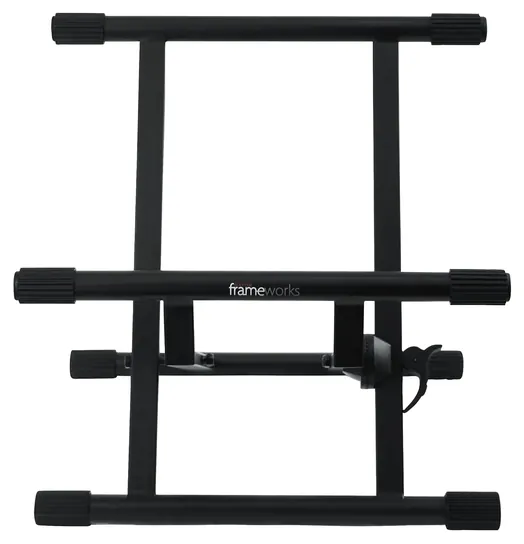
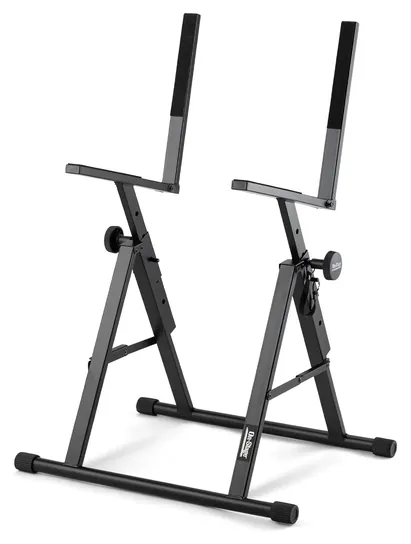
We put the Gator Frameworks GFW-GTR-AMP first. When a heavy amp leans back, stability matters more than anything else, and it pairs the highest weight rating here with a leveling foot and a three-year warranty. The On-Stage RS7000 stays on as the tall frame for big tube combos.
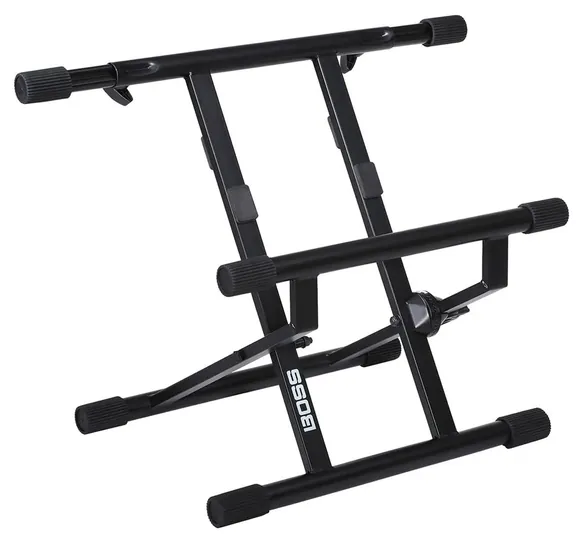
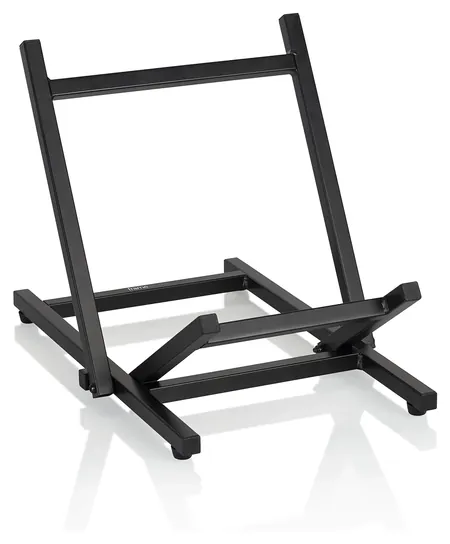
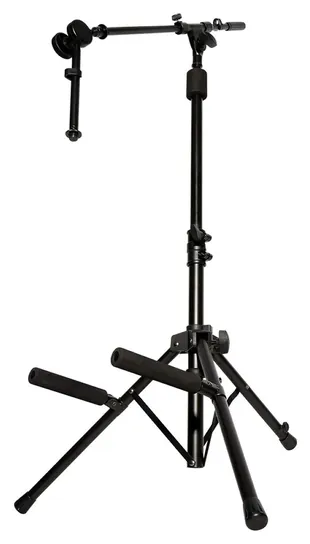
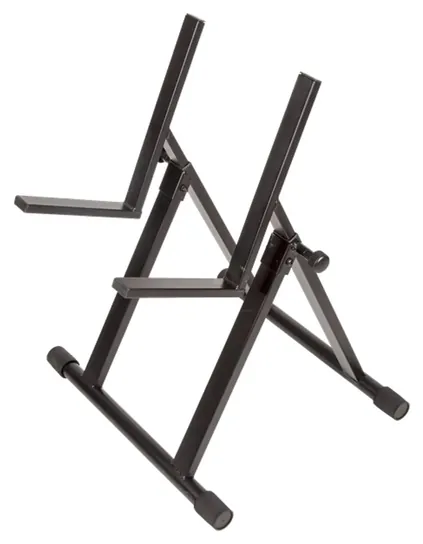
The Musician's Gear Deluxe and the Outlaw Effects Amp Ramp are gone because they're no longer sold, and we couldn't confirm current listings for the Roland RAS-S01 or the On-Stage RS7500. In their place are the Boss BAS-1, built for Katana and Roland combos, and the On-Stage RS7501, a tripod with a mic boom. The ASC K037 and Hamilton KB60 UniStand stay, and the Fender Amplifier Stand, Ultimate Support AMP-150, Gator Frameworks GFWGTRAMP100 and On-Stage RS4000 are new.
Nobody publishes lab tests of amp stands, so we lined up weight ratings, height ranges and tilt settings from Gator, Boss, On-Stage and Ultimate Support, read owner reports about tipping, loose screws and amps that don't fit, and searched federal recall records. Weigh your amp before you buy: that one number rules out half the field.
January 09, 2020:
These handy amp stands serve multiple purposes, as they provide tilt to enhance your music’s sound, ensure your controls are conveniently at arm’s length, and keep your amp from vibrating on the floor. As you’ll see from our selection, they come in various designs, many of which are conveniently foldable and portable, which makes them both easy to store at home and to transport in your vehicle to your gigs.
The sturdy Roland RAS-S01 can accommodate amps of up to 40 pounds, and it angles them for high-quality sound projection. This one is well suited for gigs at small venues, since it takes up little floor space when it’s set up. It’s easy to transport, has adjustable feet that keep it stable even on uneven terrain, and is made from hard-wearing steel construction.
Making its way into the stop spot is the Musician's Gear Deluxe, which can be adjusted to three height settings and can hold up under extensive use, thanks to its powder-coated metal and rubberized feet. It’s quite simple to assemble and boasts an impressive weight capacity of 150 pounds.
If you’re also in the market for a new amp, check out our lists of best acoustic guitar amplifiers and best bass guitar amplifiers.
Special Honors
Atlas Stands Low Rider Atlas Stands builds its Low Rider amp stand by hand in the U.S. from solid walnut, with felt pads and a tung oil finish. It tilts the amp back about 18 degrees and lifts it a few inches, and a matching Table Top piece holds an amp head above a tilted cabinet, then nests inside the base for travel. It costs many times what a steel frame does, so it suits players who want furniture-grade wood in a studio or on a stage. atlas-stands.com
Why Tilt An Amp At All
At bedroom volume, some players find a tilted amp sounds thinner, because the floor was adding low end they liked.
A combo amp sitting on the floor points its speaker at your legs. Guitar speakers beam their treble in a narrow cone, so the player standing over the amp hears a dull, quiet version of the sound while the front row gets the full blast. Most players respond by turning up, and the sound engineer suffers. Tilting the amp back aims that cone at your ears, so you can set your tone and volume for what the room actually hears.
Getting the amp off the floor matters too. A hollow wooden stage can resonate with a combo's low end and turn into a big bass speaker of its own. Guitarist Neil Spencer Bruce describes both effects in his review of the Standback stand: once the amp tilted back he stopped overcompensating for lost highs, and decoupling it from the stage tightened the bass. He also describes a tube amp falling forward off an improvised prop on a rocking stage, which is the best argument for a purpose-built stand.
The change isn't all upside. At bedroom volume, some players find a tilted amp sounds thinner, because the floor was adding low end they liked. Try the amp both ways before you decide, and if you play mostly at home, a low frame with a gentle angle may be all you need.
Match The Stand To Your Amp's Weight And Width
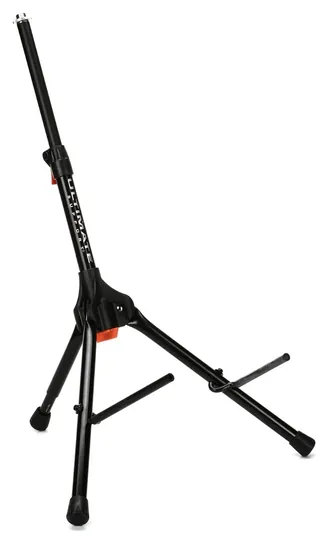
Start with the scale. A Fender Twin Reverb weighs around 60 pounds and a Deluxe Reverb around 40, while modern modeling combos are often far lighter. Then compare that with the stand's rating. Gator rates its GFW-GTR-AMP for 176 pounds, while its low-profile GFWGTRAMP100 tops out at 50 pounds and has a fixed height and angle. Boss rates the BAS-1 for 21 kilograms, about 46 pounds, which covers its Katana combos but not a big tube amp. Ultimate Support rates the AMP-150 tripod for small to mid-size combos up to 75 pounds.
Width matters as much as weight. Measure the cabinet and compare it with the stand's arm spread and depth: a wide 2x12 combo overhangs a narrow tripod, and a shallow amp can slip through the arms of a big A-frame. Leave some margin on both counts, since a tilted amp puts more load on the rear brace than an upright one.
Frames, Tripods And Single Legs
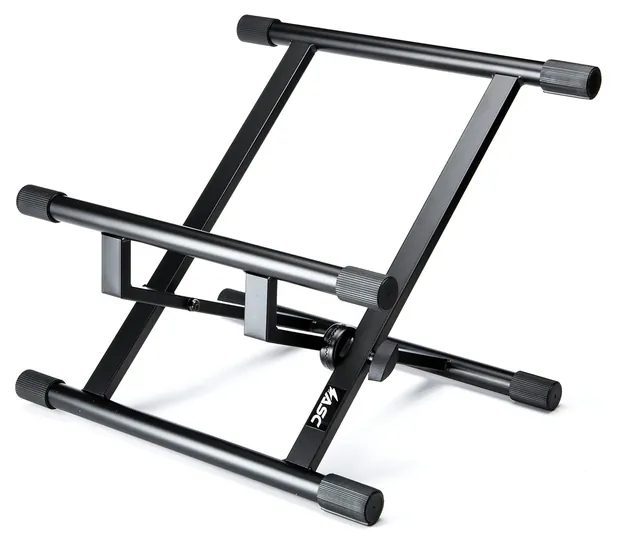
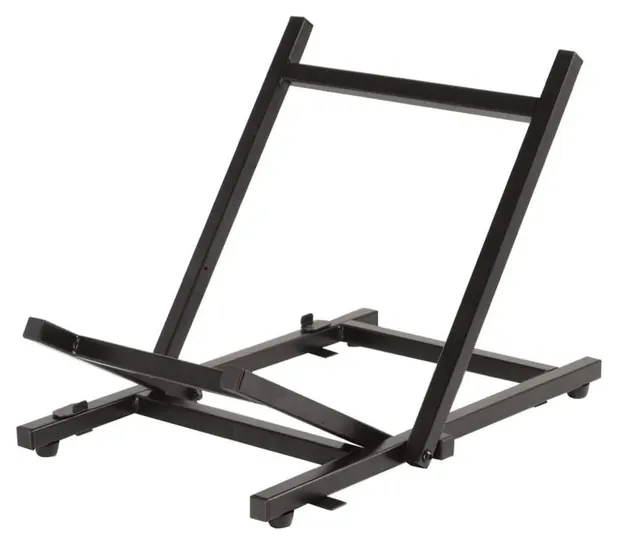
Folding A-frames and box frames are the most common design. They spread the load over four feet, most adjust for height, and the heavy-duty versions handle anything up to a large 2x12 combo. Low frames trade height for a smaller footprint and suit practice amps.
Tripods pack the smallest and suit one-speaker combos. On-Stage's RS7501 adds a jointed boom arm that holds a microphone in front of the speaker, which saves a mic stand on a crowded stage. The trade-off is a narrower cradle.
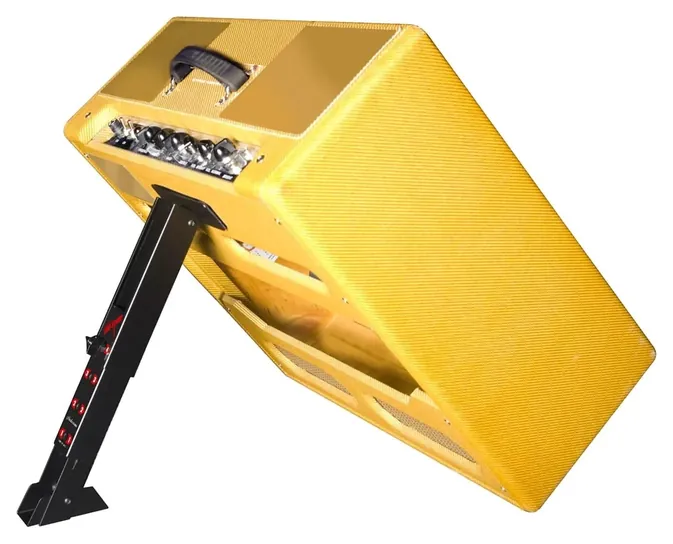
Single legs such as the Hamilton KB60 prop up the back of the cabinet while its front edge stays on the floor. They tilt the sound toward you but don't decouple the amp from the stage. Bolt-on tilt-back legs for specific Fender cabinets work the same way. Whatever you pick, set it on flat ground, lock every knob before the amp goes on, and keep children and pets away from a tall stand. If you need stands for PA speakers instead, see our speaker stands list, and if you're shopping for the amp too, our acoustic guitar amplifiers list covers that.
How we researched this
We compared 19 amp stands, read the makers' spec pages for the Gator, Boss, On-Stage and Ultimate Support finalists, analyzed owner feedback on all 10 picks, and checked each brand against U.S. recall records. Updated October 26, 2026 by Ezvid Wiki Admin.
Sources (9)
- Gator: Combo Amp Stand GFW-GTR-AMP
- Gator: Frameworks Collapsible Combo Amp Stand GFWGTRAMP100
- Boss: BAS-1 Adjustable Tilt-Back Stand
- On-Stage: RS7501 Tilt-Back Tripod Amp Stand
- Ultimate Support: AMP-150
- Hamilton Stands: KB60 UniStand
- Neil Spencer Bruce: Standback stand review
- Atlas Stands: products
- CPSC SaferProducts.gov
Frequently asked questions
Do amp stands make a difference?
Yes, mostly for what you hear. Tilting the amp aims the speaker at your ears, so you hear your real tone and can play quieter, and lifting it off a hollow stage reduces boomy bass. At low home volumes some players find a tilted amp sounds a little thinner, so try both.
How much weight should my amp stand hold?
More than your amp weighs, with room to spare. A big tube combo such as a Fender Twin Reverb is around 60 pounds, so pick a stand rated well above that. Light modeling amps work on stands rated for 50 pounds or less.
Can an amp stand hold a 2x12 combo?
Some can. Choose a heavy-duty A-frame or a wide low frame rated for 100 pounds or more, and check that the cabinet's width fits the arms. Narrow tripods suit one-speaker combos.
What is the Hamilton KB60 UniStand?
It's a single adjustable leg that props up the back of a combo or cabinet between 18 and 36 inches tall, so the speaker angles up. It has four preset heights and fits inside an open-back amp for storage. The front of the amp stays on the floor.
Will an amp stand damage my amp's finish?
Rubber and foam pads are made for vinyl covering and modern polyurethane. Fender warns that its stand's pads aren't cleared for vintage lacquer or nitrocellulose finishes, so put a soft cloth between the pads and a lacquered cabinet.
Can I use a speaker stand or a hi-fi stand instead?
Not well. Pole-mount speaker stands need a socket that guitar amps don't have, and hi-fi component stands sit flat, so they lift the amp without tilting it.