The 10 Best Air Purifiers
Updated by · How we research

Ten HEPA room air purifiers compared by clean air rate, filter type, noise and upkeep. The Coway Airmega Mighty2 leads for most living rooms and bedrooms. When users buy our independently chosen editorial selections, we may earn commissions to help fund the Wiki.
A purifier's room-size claim usually assumes the air is cleaned just once an hour, which is far too slow for allergies or smoke. The EPA's sizing chart asks for about 130 cubic feet per minute of clean air in a 200-square-foot room. This list is for allergy sufferers, pet owners and anyone facing wildfire smoke.


Editor's Notes
October 27, 2026, by Ezvid Wiki Editors:
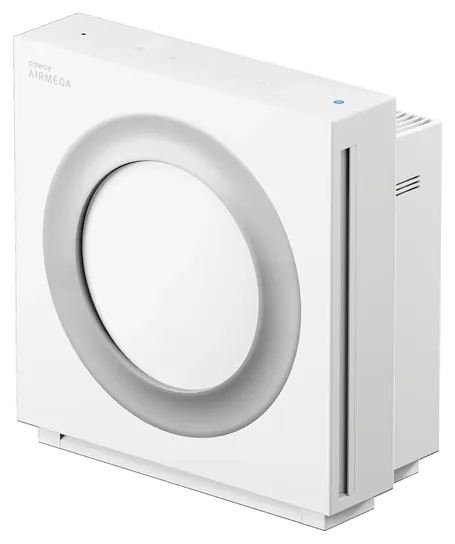
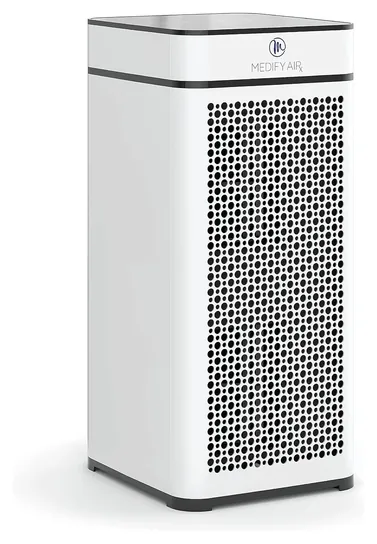
The Coway Airmega Mighty2 now leads this list. Its boxy predecessor was a favorite of independent testers for years, and the update keeps the same strong airflow, washable screen and three-year warranty. Only the Medify MA-40 survives from the old list. The Austin Air Healthmate HM400 is sold out at its maker, so it moves to Special Honors, and the IQAir HealthPro Plus gave way to the IQAir HealthPro Plus XE. The Blueair Classic 680i, Alen BreatheSmart 75i and Medify Air MA-25 can't be bought right now, the Hathaspace HSP002 was down to its last unit, and the Aprilaire, Whirlpool Whispure and BlueDri Air Shield are older designs.
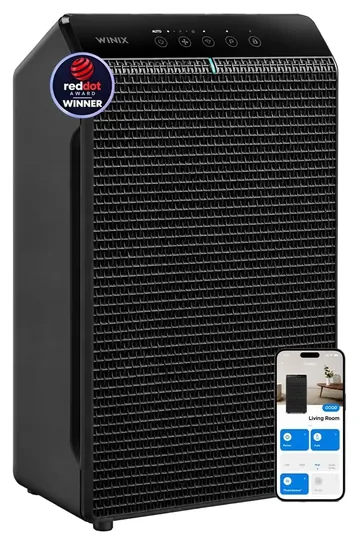
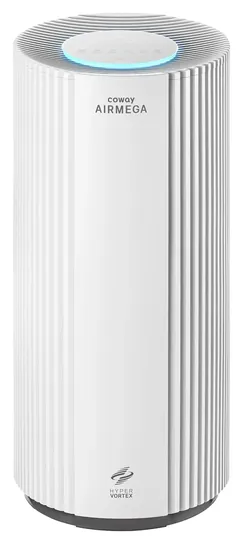
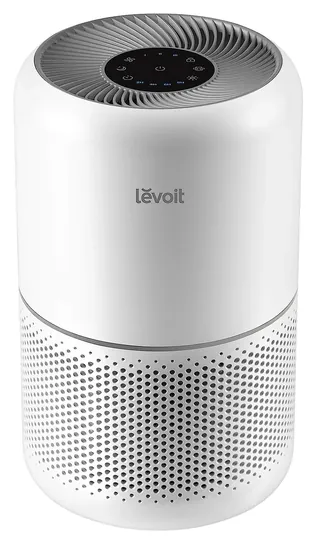
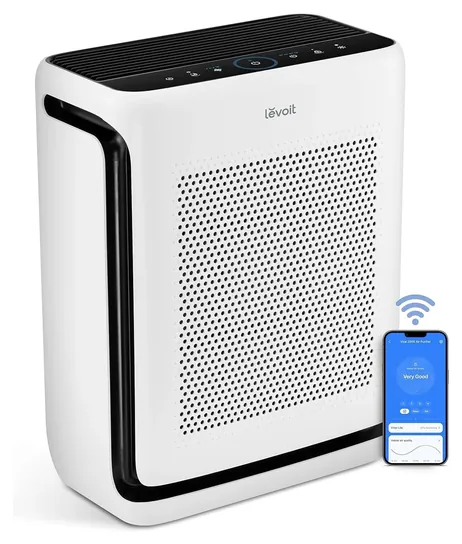
New picks cover the jobs people actually buy for: the Winix 5520 for value, the Coway Airmega 450 for open plans, the Levoit Core 300-P for bedrooms and the Levoit Vital 200S-P for pet hair. We sized every pick against the EPA's clean-air-rate chart, preferred figures verified under the appliance makers' certification program, and leaned on California's ozone rules, since some air cleaners make ozone on purpose. No recalls turned up for these brands.
Earlier notes
November 4, 2020, by Will Rhoda:
It was a busy round of updates that saw the Prolux Enfinity, Airmega 300 and Oransi EJ120 all removed due to availability issues — as was the Austin Air Healthmate B400, although we ended up replacing that pick with a comparable choice from the company: the Austin Air Healthmate HM400. The Blueair Classic 605 lost its place to the Blueair Classic 680i – which is essentially the same machine, but with an added air-quality sensor and helpful automatic mode that makes use of it – and the Alen BreatheSmart Classic had to make way for the Alen BreatheSmart 75i — which boasts a maximum power rating that’s less than half of its predecessors, all while being powerful enough to service 1,300 square feet, compared to the Classic's 1,100.
Our other new additions are the Hathaspace HSP002 — which features a five-stage purification process and is protected by a warranty of as many years; the Medify Air MA-40 V2.0 — which features a clean air delivery rate of 330 and a 2,500-hour filter life; and the Medify Air MA-25 — a smaller version of the MA-40 that has a clean air delivery rate of 250. Both offerings from Medify Air boast lifetime warranties.
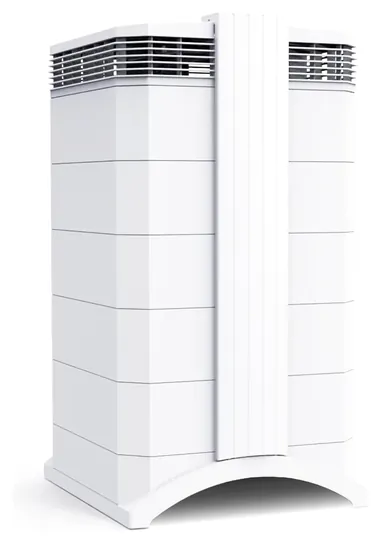
Ranking these pages can sometimes be tricky, because it isn’t always obvious what our users will be expecting, based on their title. In the case of this category, without a universally recognized definition for “hospital grade,” what I can tell you about the machines we chose to rank is that their filtration systems all qualify as high-efficiency particulate air (HEPA) filters, based on standards dictated by the American Society of Mechanical Engineers, which demand that such a filter capture 99.97% of particles with a diameter of .3 micrometers — we’ve included no oversold air fresheners dressed up with marketing lingo. Some offerings go well beyond this point – like the IQAir HealthPro Plus, which can capture particles 1% of that size, or the Austin Air Healthmate HM400, which has a minimum efficiency reporting value (MERV) of 17 that's suitable for surgical areas – but none should fail to meet that standard.
In addition to selecting units with highly effective filters, we also endeavored to select models with powerful fans and capable clean air delivery rates that would leave them oversized for single-room applications. Even the Medify Air MA-25, which we included as a suggestion for users looking to outfit a small space like an office, is rated to handle 500-square-foot areas.
January 25, 2019, by Jeff Newburgh:
Included the Oransi EJ120 for its advanced mechanical filtration capabilities, quiet motor, and suitability for use in both domestic and industrial settings. I thought the Alen BreatheSmart was a worthy addition, thanks to its smart sensor, which can adapt its operation according to the surrounding air conditions. Also added the Blueair Classic due to its Wi-Fi functionality, Amazon Alexa compatibility, and casters that make it easy to move. While quite large, the IQAir HealthPro Plus offers the benefit of a remote control and a durable frame housing. Also included the Aprilaire Allergy for its dedicated features that allow it to capture pet hair and minimize odors. The BlueDri AS-550 is particularly useful for industrial jobsites and is also durable enough to withstand impacts. Also added the Airmega 300 because of its real-time pollution monitoring functionality and efficient suction capabilities. The brushless motor within the Prolux Enfinity comes with a 7-year warranty.
Special Honors
Austin Air HealthMate Austin Air builds its HealthMate units by hand in Buffalo, New York, around a HEPA filter and a deep bed of activated carbon meant for smoke and chemical smells, and it rates the filter to last up to five years. The maker showed the HealthMate sold out when we checked, so watch its site for restocks. austinairsystems.com
Match The Clean Air Rate To The Room
Smoke CADR is usually the lowest of the three, so size by that one if wildfire smoke or cooking fumes are the concern.
The clean air delivery rate, or CADR, is the one number that tells you how fast a purifier cleans. It's measured in cubic feet per minute at the top fan speed, with separate figures for smoke, dust and pollen. The EPA's guide to air cleaners in the home ties it to floor area: about 65 for a 100-square-foot room, 130 for 200 square feet and 390 for 600 square feet. Multiply your room's length by its width, then pick a unit at or above the matching number.
Be careful with big hourly coverage claims. Many makers quote the area a unit can clean once an hour, which is slow for allergies or smoke. Levoit, for one, lists the Core 300-P at more than 1,000 square feet per hour but rates it for about 222 square feet at nearly five air changes an hour. Figures marked as verified by AHAM, the appliance makers' trade group, come from a standard lab test and are the easiest to compare. Smoke CADR is usually the lowest of the three, so size by that one if wildfire smoke or cooking fumes are the concern.
HEPA, Carbon And The Hospital-Grade Label
A HEPA filter traps fine particles such as smoke, pollen, dust and pet dander. True HEPA is commonly defined as catching 99.97 percent of particles at 0.3 micron, and H13 is a stricter grade some makers use. Filters only help with what passes through them, so the EPA's page on air cleaners and filters stresses that a portable unit cleans a single room and works best alongside ventilation and removing the source.
Smells and gases are a different job. Activated carbon soaks up odors and some chemicals, and the amount of carbon matters: a thin carbon sheet wrapped around a HEPA filter fades fast, while heavy units such as the IQAir HealthPro Plus XE or Austin Air's HealthMate carry pounds of it. "Hospital grade" and "medical grade" are marketing labels, not a regulated standard, so judge a unit by its CADR, its filter grade and its carbon, not the label.
Ozone, Ionizers, UV Lights And Running Costs
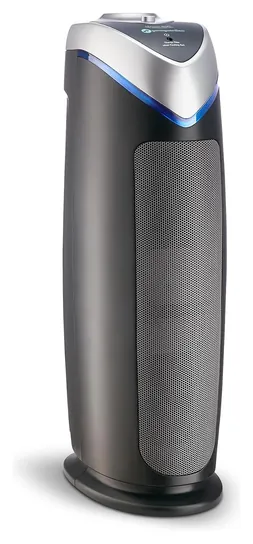
Skip anything sold as an ozone generator. The EPA warns that ozone irritates the lungs, and California's Air Resources Board limits ozone from indoor air cleaners and publishes a list of certified devices you can search by brand. Ionizers and UV lights, like those on the Winix 5520 and the GermGuardian AC4825E, can be switched off if you'd rather not use them.
Plan for the filters. Most replacement sets last about 6 to 12 months; Medify rates the MA-40's filter at about six months, while Winix and Levoit plan on about a year. Washable pre-filters need a rinse or vacuum about once a month, more often with pets. Place the unit on the floor or a table with open space around it, away from curtains, and run it all the time on a low or auto setting. Most units here draw about 45 to 75 watts at full speed, and far less on low.
How we researched this
We compared 22 current air purifiers, read the makers' specifications and certified clean air figures for the 10 finalists, sized each against the EPA's room-size chart, read the EPA and California Air Resources Board guidance on ozone, weighed independent lab roundups from Wirecutter, CNET and RTINGS where they covered our picks, and searched the U.S. Consumer Product Safety Commission's recall records for every brand. Updated October 27, 2026 by Ezvid Wiki Editors.
Sources (9)
- EPA: Guide to air cleaners in the home
- EPA: Air cleaners and air filters in the home
- California Air Resources Board: air cleaners and ozone-generating products
- California Air Resources Board: certified air cleaning devices
- Wirecutter: how to set up an air purifier
- CNET: best air purifier
- RTINGS: best air purifiers
- Austin Air Systems: HealthMate
- U.S. Consumer Product Safety Commission: recalls
Frequently asked questions
What size air purifier do I need?
Match the clean air delivery rate to the floor area. The EPA suggests about 65 for a 100-square-foot room, 130 for 200 square feet and 390 for 600 square feet. Treat big once-an-hour coverage claims with caution.
Do air purifiers remove smoke and odors?
A HEPA filter catches smoke particles. Odors and some gases need activated carbon, and more carbon lasts longer. No portable unit removes every gas.
Is a hospital-grade air purifier better?
"Hospital grade" is a marketing phrase, not a regulated standard. Look at the clean air rate, the filter grade (True HEPA or H13) and the amount of carbon instead.
Should an air purifier run all the time?
Yes. Running it on low or auto keeps particle levels down, and most units draw well under 100 watts even at top speed. Keep doors and windows closed while it runs if outdoor smoke is the problem.
How often do the filters need replacing?
Usually every 6 to 12 months, depending on the model and how dirty the air is. Washable pre-filters need a clean about once a month. Follow the maker's schedule or the unit's filter light.
Can an air purifier make ozone?
Some do on purpose, and the EPA advises against them. Ionizers can make small amounts. California certifies indoor air cleaners for ozone emissions, and its list is public.