The 7 Best Air Punch Nailers
Updated by · How we research

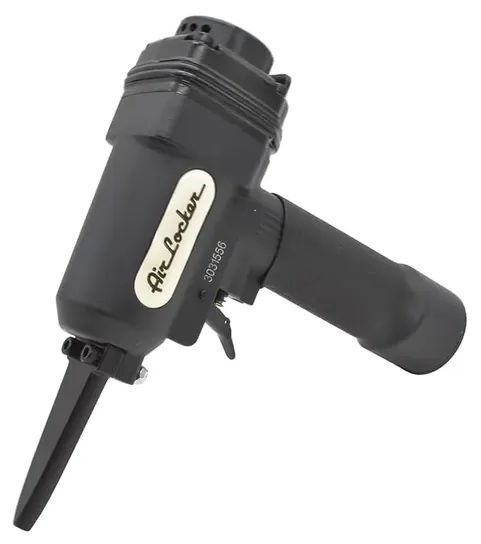
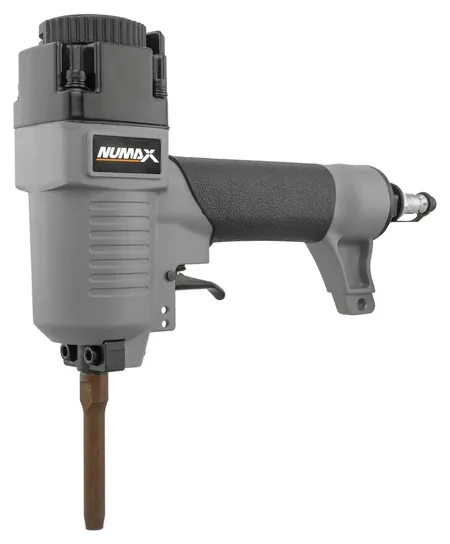
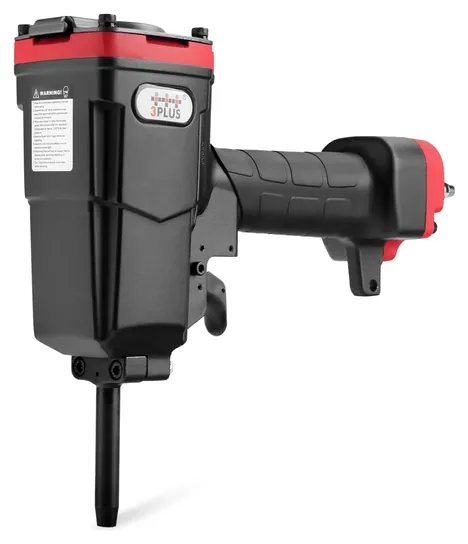
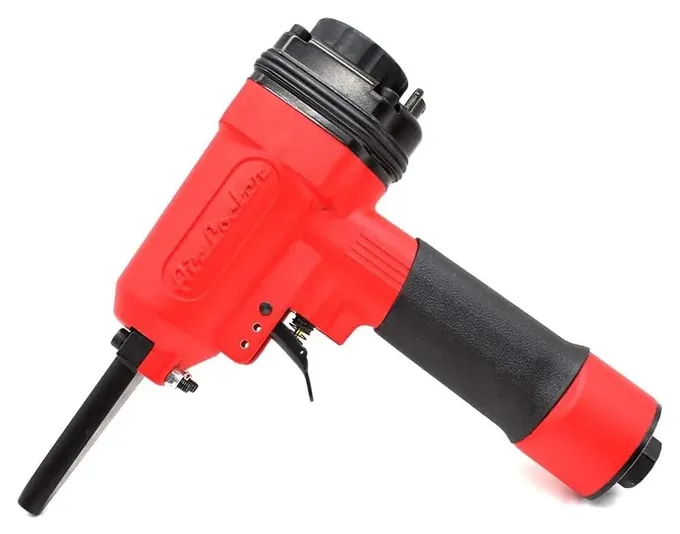
Seven air punch nailers, the compressor tools that knock old nails out of pallets and boards, compared on nail size and air needs. The Air Locker AP700 leads. When users buy our independently chosen editorial picks, we may earn commissions to help fund the Wiki.
Despite the name, an air punch nailer doesn't fire nails. It runs on a compressor and drives a hardened steel pin that knocks a nail straight out of a board, so pallet slats, barn siding and flooring come away whole and ready to reuse. It suits woodworkers, pallet recyclers and deck crews pulling more nails than a hammer can handle.


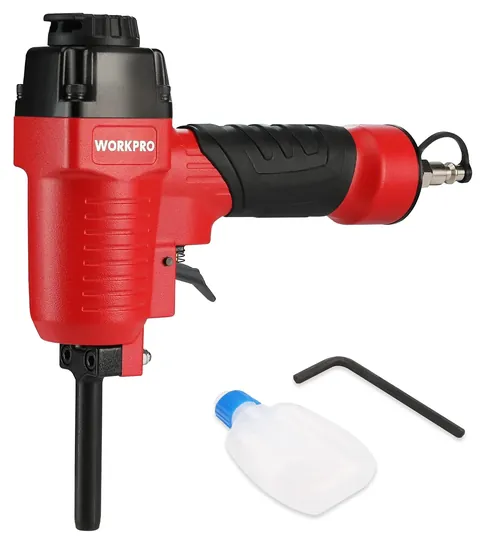
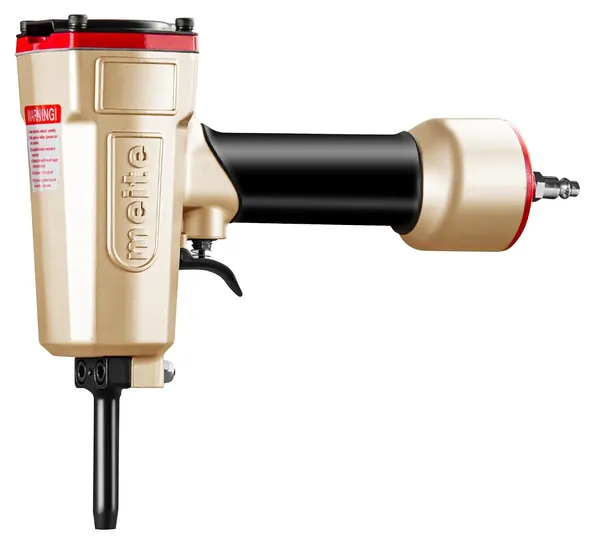
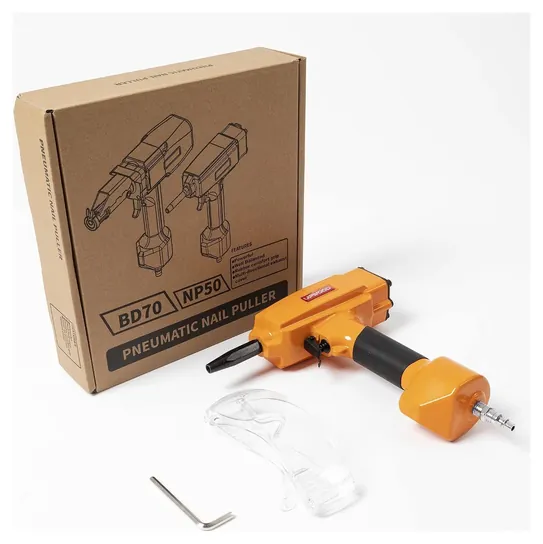
Editor's Notes
October 26, 2026, by Ezvid Wiki Editors:
The top spot goes to the Air Locker AP700. It's the tool most readers ask for by name, it has the longest sales record in the category, and a small compressor can run it. The Reconnx Nail Kicker V20, the old top pick, isn't stocked anymore by the retailer we link to, so it moves to the special honors; Reconnx still sells it directly, with drivers in four sizes for different nails. The Meite AP38 is gone too, because meite's own NP45 covers more nails for less.
New are the Air Locker AP900 for big nails, the WORKPRO W189002 for long ones, the Meite NP45 and the UPWOOD UW-NP50.
No magazine or lab has published a test of these tools that we could find. The ranking leans on Air Locker's spec photos and safety notes, Reconnx's charts that match driver size to nail size, reports from people stripping pallets, oak flooring and decks, and a recall search for every brand. Most of these punches share one basic cast-aluminum design, so the choice comes down to nail size, air pressure and what ships in the box.
The older version of this page stressed safety, and that still holds. The nail leaves the far side of the board fast. Wear safety glasses, keep your hands and legs clear of the exit side, unplug the air before you clear a jam, and keep kids and untrained helpers away.
Earlier notes
September 14, 2020, by Alexander Rennie:
The potential for injury really can't be overstated with air punch nailers, and extreme caution should always be used while connected to their air supply. By shooting out a thin metal piston several inches, at a high velocity, any accidental discharge can cause a catastrophic injury. Small children or untrained employees should never be allowed to use these tools.
Even the Reconnx Nail Kicker V20, that requires the nose to be depressed before it can fire effectively, can be just as harmful if you accidentally press it against your leg or arm while bending over or adjusting materials. The chances of flying nail or wood debris is very high as well, so make sure to wear proper eye protection at all times.
That being said, they are extremely useful and are essential for any kind of pallet recycling operation. They're also handy for disassembling wood decking or roofs.
These options are all powered by air, so consider purchasing one of these air compressors if you don't already have one on hand. If you know you'll probably be sticking to smaller projects, one of these compact pancake compressors might be a more convenient option.
Also, if you don't have the workload to require an air punch nailer, one of these manual nail pullers might make more sense. They'll definitely take longer to get the job done, but if you only have a few nails to pull, it might be worth it to not have to haul around a compressor.
Special Honors
Reconnx Nail Kicker V20 Reconnx, a small Boulder, Colorado, company that has built denailers since 1999, sells the Nail Kicker V20 directly. It's a professional tool priced well above the budget punches, aimed at pallet yards and flooring crews. The nose has to be pressed against the work before it fires, and the driver and nose come as a matched set in four sizes, from flooring cleats up to big common nails, so one body covers many jobs. Reconnx also sells every part, offers repair service and rents tools. nailkicker.com
Pushing Nails Out, Not Shooting Them In
An air punch nailer looks like a nail gun, but it works in reverse.
An air punch nailer looks like a nail gun, but it works in reverse. There's no magazine. Each pull of the trigger fires a hardened steel driver out of the nose. Slip the nose over a nail that pokes through a board, and the driver knocks the nail straight back out the way it went in. The board keeps its face and edges, which is the whole point for anyone reclaiming pallet slats, barn siding or tongue-and-groove flooring. Reconnx, which makes the Nail Kicker V20 denailer, lists concrete forms, flooring cleats, furniture and sheathing among the jobs where you drive nails from the point (nailkicker.com).
Most of these tools can also hit a nail from the head side. That sets raised nails in a deck, or drives nails through a thin board so it lifts off its frame in one piece. Reconnx suggests that trick for swapping broken pallet deck boards without wrecking the stringers underneath (nailkicker.com).
If you want a tool that drives new nails, this isn't it; our lists of siding nailers and roofing nailers cover those. And if you only have a few dozen nails to pull, a hand nail puller or a cat's paw costs less and needs no compressor. Double-headed nails and badly rusted ones are hard for any air punch, so plan on a pry bar for those.
Match The Driver To The Nail
The driver is the steel pin that does the pushing, and its thickness decides which nails a tool can handle. A driver that's too thin bends or flattens on a fat framing nail. One that's too thick won't fit around a skinny flooring cleat. Reconnx makes the point plainly: its V20 models differ only in the diameter of the driver and its matching nose, and it sells four sizes (nailkicker.com). Its smallest set covers 16d box nails and anything thinner, about 0.135 inch across and under 3 1/2 inches long, while the next size up covers 16d box through 30d common nails, up to about 0.207 inch (nailkicker.com).
The budget punches state their range in wire gauge instead, where a lower number means a thicker nail. Most claim somewhere from 9 gauge, a heavy pallet or framing nail, down to 16 gauge, a finish nail. Treat these as a rough guide: Air Locker's own photo and its seller text give different ranges for the AP700. If most of your nails are big framing nails, look for a thicker driver, such as the one in the Air Locker AP900.
Air pressure is the other match. Each tool lists a working window, from 50 to 110 PSI on the AP900 to 80 to 120 PSI on the AP700, and all of them take a standard 1/4-inch NPT plug. They use little air per shot, and owners run the small punches from pancake compressors. Start low, raise the pressure until a nail clears in one shot, and put a few drops of pneumatic tool oil in the inlet before each session. A spare driver is worth having, since the tip wears with use.
Where The Nail Goes: Safety
The nail doesn't stop when it clears the board. It leaves the far side fast, along with splinters and rust. Air Locker's safety note for the AP900 suggests a bucket of water or something soft under the workpiece to catch it, and safety glasses every time. Keep both hands and your legs off the exit side, never point the nose at anyone, and never fire it into open air. Some cheap punches, the AP700 among them, have no nose-contact safety, so they fire whenever the trigger is pulled. Set the tool down unplugged.
OSHA's construction rule for hand and power tools requires a pneumatic tool to be fastened to its hose so it can't come loose by accident (OSHA). Its eye and face rule calls for protection with side shields where flying objects are a hazard (OSHA), which describes a denailing bench well. A whip check at each hose coupling keeps a split hose from flailing, and hearing protection helps, since the driver cracks loudly in a closed shop.
Unplug the air before you clear a jam, swap a driver or oil the tool. NIOSH's guide to nail gun safety was written for ordinary nailers, but its advice on training new workers before they handle air tools applies here too (CDC). Keep children and anyone untrained away from the work area.
How we researched this
We compared 16 air-powered nail removers and pullers and screened seven in depth. We read the makers' spec sheets and photos, Reconnx's guides to matching driver size to nail size, OSHA and NIOSH guidance on air tools, a pallet-trade article and owner reports from pallet, flooring and deck work at several retailers, and we checked every brand for recalls with the U.S. Consumer Product Safety Commission.
Sources (10)
- Air Locker: nail punchers and removers
- Reconnx: Hit the point of the nail
- Reconnx: Hit the head of the nail
- Reconnx: Pallet repair and dismantling
- Reconnx: Nail Kicker V20 denailers
- OSHA 29 CFR 1926.302: Power-operated hand tools
- OSHA 29 CFR 1926.102: Eye and face protection
- NIOSH: Nail Gun Safety, a guide for construction contractors
- Pallet Enterprise
- CPSC recalls
Frequently asked questions
Does an air punch nailer shoot nails?
No. It has no magazine. It fires a steel driver that pushes an existing nail out of the wood, or sets a raised nail head. For driving new nails you need a nail gun.
What compressor do I need?
One that holds the tool's working pressure, usually somewhere between 50 and 120 PSI, with a 1/4-inch NPT fitting. These tools use little air per shot, so a pancake compressor runs the small punches.
Can it remove bent or rusty nails?
Usually. Straighten a bent nail with the nose guide first. A rusty nail may need two shots. Double-headed nails and badly rusted ones often need a pry bar instead.
Will it damage the wood?
It leaves the nail hole and little else, which is why people use it for reclaimed lumber. A crowbar tends to split ends and crush edges.
Is a hand nail puller a better choice?
For a few dozen nails, yes. It costs less and needs no compressor. An air punch pays off when you're stripping stacks of pallets or a floor's worth of boards.