The 8 Best Playground Ball Sets
Updated by · How we research

Eight playground ball sets compared by material, bounce, sting and what comes in the box. The Champion Sports PGSET leads for its nylon-wound rubber. When users buy our independently chosen editorial choices, we may earn commissions to help fund the Wiki.
A cheap playground ball is usually thin vinyl, and on blacktop it can go lopsided or crack within weeks. Rubber wound over nylon thread is what keeps a classic school ball round. These sets cover recess, PE class and backyard games, from sturdy rubber balls to soft foam for dodgeball and pint-size sets for toddlers just learning to kick.


Editor's Notes
October 27, 2026, by Ezvid Wiki Admin:
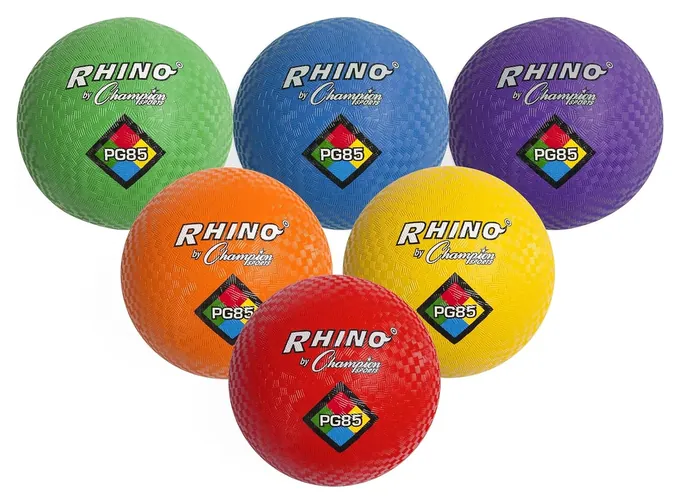
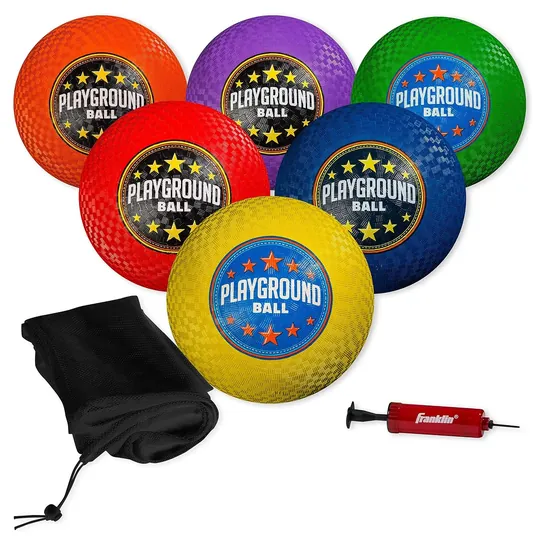
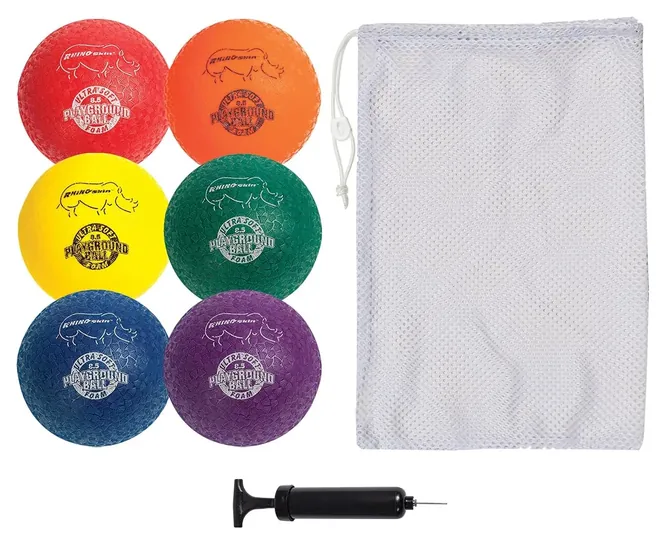
Nylon-wound rubber is why the Champion Sports PGSET now leads. It's the way classic school balls are built, and that winding is what keeps a ball round after a season on blacktop. It ships without a pump, so the Franklin Sports Classics, with a bag, pump and needles, is the easy alternative.
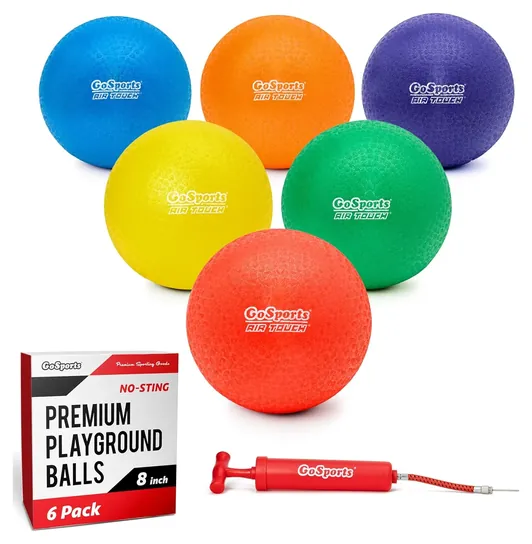
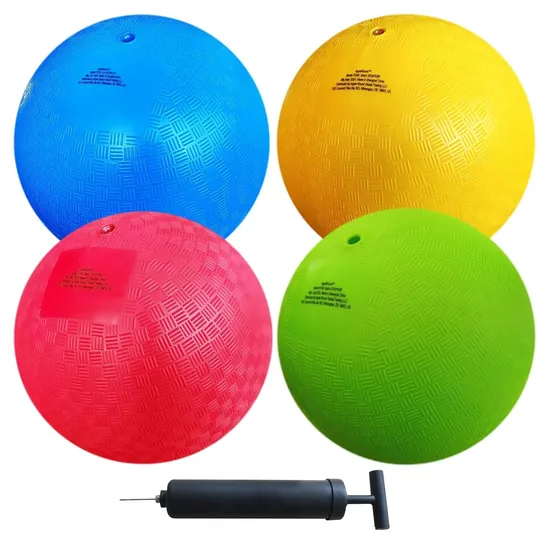
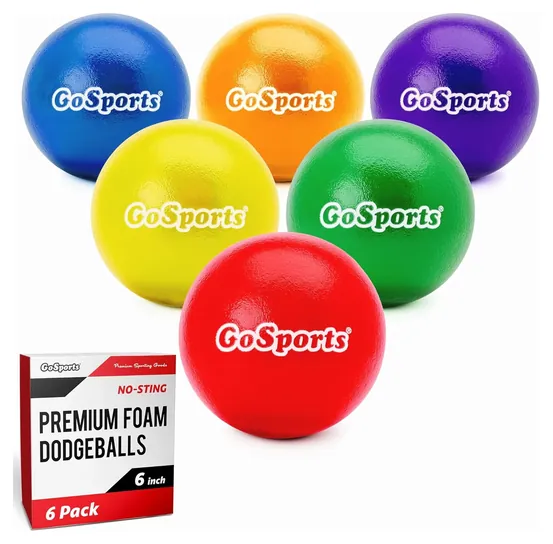
Half the old list had to go. The S&S Worldwide Spectrum Koogle, Eduball, ToysOpoly, Mac-T and Crown sets are no longer available. GoSports renamed its coated foam balls, so the GoSports Soft Skin set takes over from the Elephant Skin, and its playground balls now come in a softer Air Touch blend. The PlayBolt Playground Balls are new for big groups, and the AppleRound Sports Balls set is new for toddlers.
No lab has tested playground ball sets, so we leaned on how each ball is built, what comes in the box, a teachers' forum thread about which balls survive recess, and CPSC records, which show no ball recalls for any of these brands.
March 23, 2019:
These are just as vital a piece of playground equipment as is the big toy and basketball hoops. Kids love the bounce, the texture, and the softness of a good ball so we made our selections with these characteristics in mind. We were especially pleased to find the Franklin Sports variety, which claim to be the ones you remember and love. We also removed a few models due to concerns about their availability.
Special Honors
Gopher Sport Rainbow UltraPlay Gopher Sport is a school PE supplier, and its UltraPlay playground balls use a three-ply rubber cover over a butyl bladder. Gopher backs them with an unconditional guarantee. They're sold through Gopher's own site rather than general retailers, and they're worth a look for a school or rec program that wants balls built for years of recess. gophersport.com
S&S Worldwide Spectrum Playground Balls S&S Worldwide sells its Spectrum playground balls in sets of six, in both the standard 8.5-inch size and a 10-inch size for older kids. Spectrum sets were once on this list, and they're still a common choice for schools, camps and after-school programs buying in bulk. ssww.com
Rubber, Vinyl Or Foam
The winding keeps the ball round after a lot of kicking on blacktop, and it gives that familiar hard bounce.
What a ball is made of matters more than its color or price. Classic school balls are rubber wound over nylon thread, or solid rubber. The winding keeps the ball round after a lot of kicking on blacktop, and it gives that familiar hard bounce. School suppliers build their own the same way: Gopher Sport describes a three-ply rubber cover over a butyl bladder for its UltraPlay balls.
Vinyl (PVC) balls cost less and are softer to catch. The trade-off is life span. In a BuyItForLife discussion, a parent described a cheap store ball that went out of round and cracked within days. Teachers in an A to Z Teacher Stuff thread also found that brand made a big difference in how long balls survived recess.
Coated foam is the third option. A foam core under a tough skin doesn't sting, which makes it the choice for dodgeball and for kids who are nervous about getting hit. Foam bounces low, though, so it's a poor fit for four square, wall ball or anything that relies on a bounce.
Pick The Size For The Game
The standard playground ball is 8.5 inches across. It's the size for four square, kickball, handball and most recess games, and it's what nearly every set on this page uses. School suppliers such as S&S Worldwide also stock 10-inch balls, which are bigger and slower, and suit older kids and kickball.
Dodgeball usually calls for something smaller. Six- and seven-inch foam balls fit in one hand, so kids can throw them, and they're soft enough that a hit doesn't hurt. GoSports, for example, sells its foam dodgeballs in a six-inch youth size and a seven-inch size for teens and adults.
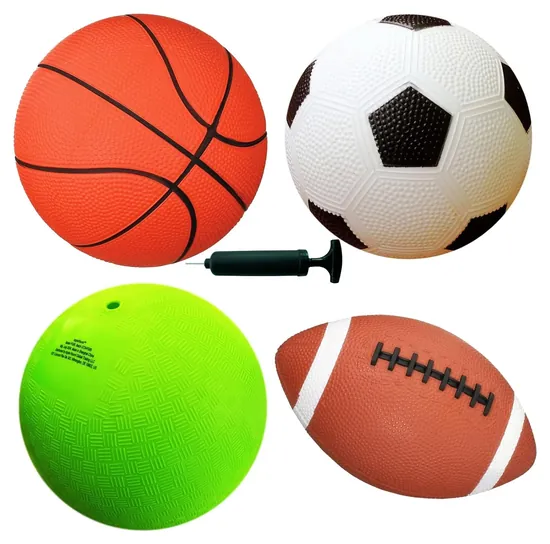
For toddlers, smaller is better. A five-inch ball is easier to hold and catch than a full-size playground ball, and a mixed set of mini sports balls lets a preschooler try kicking, dribbling and throwing.
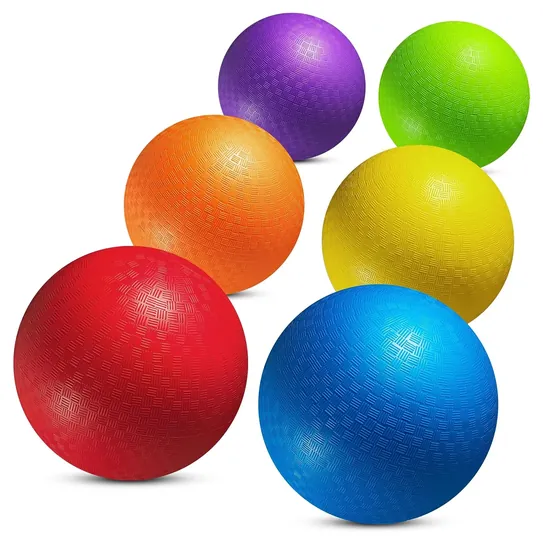
If you're buying for teams, count the colors too. A set where every ball is a different color makes it simple to assign one per group and to spot whose ball rolled away.
Pumps, Pressure And Small Children
Almost every inflatable playground ball arrives flat. Most value sets include a hand pump and needles, but some school-grade sets, including Champion's nylon-wound set, sell the balls only. Wet the needle before you push it in, and inflate to the pressure printed near the valve. An over-inflated ball bounces harder, stings more and can split on rough pavement, while a slightly soft ball is gentler and lasts longer. To let air out, insert the needle alone, without the pump attached.
Heat is hard on any inflated ball. Keep the set out of direct sun and out of a hot car, which can stretch vinyl out of shape.
Small children need a little extra care. Federal rules ban small parts in toys for children under 3, and the Consumer Product Safety Commission also requires choking warnings on small balls sold for ages 3 to 6. Full-size playground balls are far too big to be a choking risk, but pump needles are small and sharp, so keep them with an adult. We also checked the CPSC's recall database for every brand on this page and found no ball recalls.
How we researched this
We compared 20 playground ball sets, including all 10 from the previous version of this page, read the makers' construction and contents details for the 8 finalists, weighed owner feedback, a teachers' forum discussion and a school supplier's specs, and checked every brand against the Consumer Product Safety Commission's recall records.
Frequently asked questions
What size is a standard playground ball?
8.5 inches across. That's the size for four square, kickball and handball. Ten-inch balls suit older kids, and six- or seven-inch foam balls are the usual dodgeball size.
Are rubber or foam balls better for dodgeball?
Foam. A coated foam ball doesn't sting, and smaller foam balls are easier for kids to throw. Rubber playground balls hit harder, so save them for kickball and four square.
Why do cheap playground balls go lopsided?
Thin vinyl stretches under hard kicks and heat. Balls with rubber wound over nylon thread keep their shape longer. Not over-inflating and storing balls out of the sun also helps.
How much air should a playground ball have?
Use the pressure printed near the valve. The ball should feel firm but give a little when you press it. Too much air makes it sting and can split the seams.
Are playground balls safe for toddlers?
The balls themselves are too big to choke on, but pick a set the maker rates for the child's age and keep pump needles away from small children.
Which balls are latex-free?
The GoSports Soft Skin foam balls are sold as latex-free. The Franklin Sports Classics are made of latex rubber, so skip them if anyone in the group has a latex allergy.