The 10 Best Ceiling Fans With Remote Controls
Updated by · How we research

Ten remote-control ceiling fans compared on motor, light, smart-home support and warranty. The Dreo 521S leads, answering to a remote, an app and voice. When users buy our independently chosen editorial recommendations, we may earn commissions to help fund the Wiki.
Before any remote matters, a ceiling fan has to hang from an electrical box rated for a fan's weight and wobble, and many older light boxes are not. Most fans sold with a light now include a handheld remote, and a growing share add an app or voice control. This guide is for renters, bedroom upgraders and anyone done with pull chains.


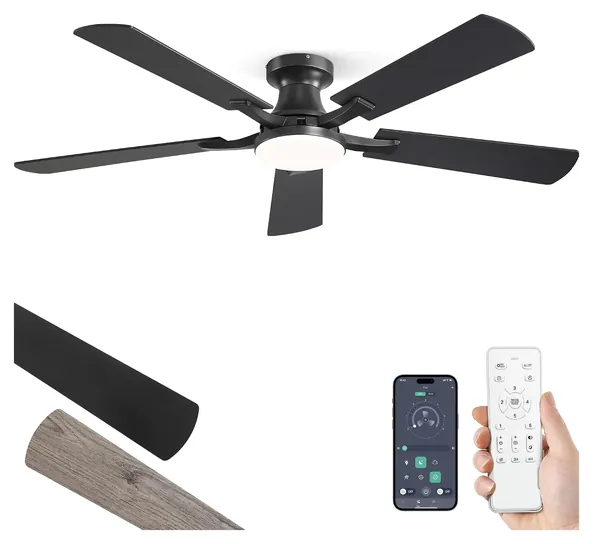
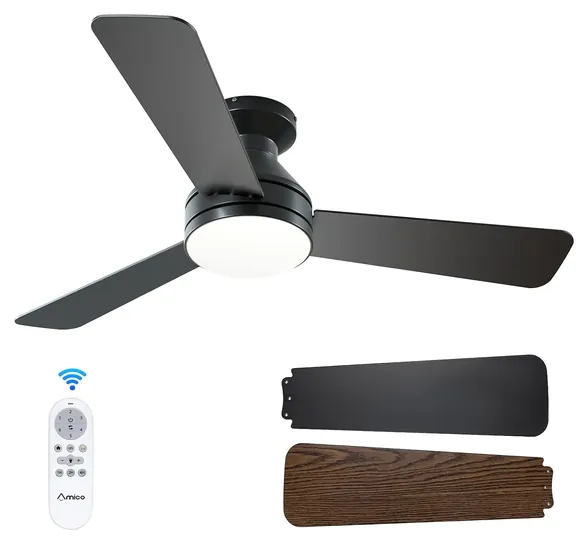
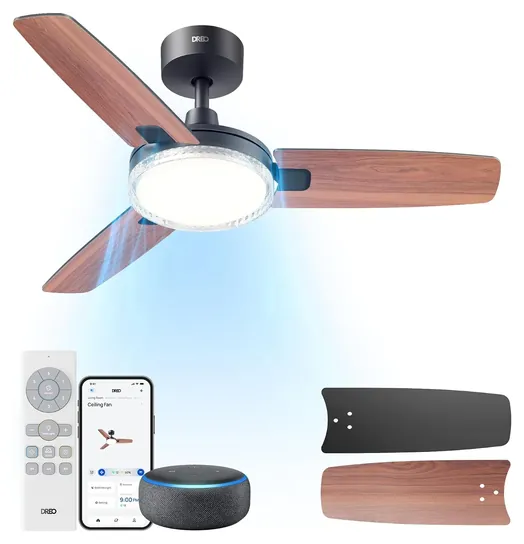
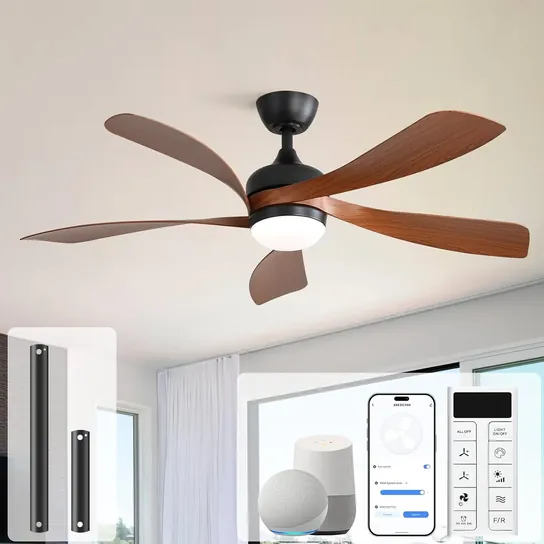
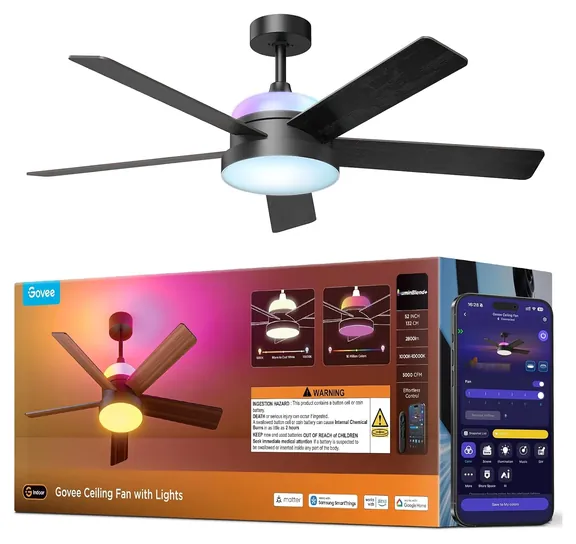
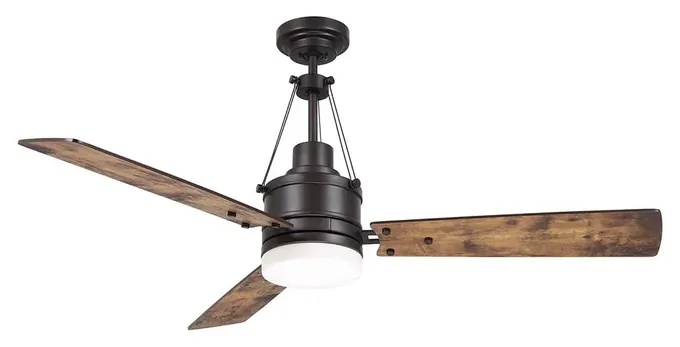
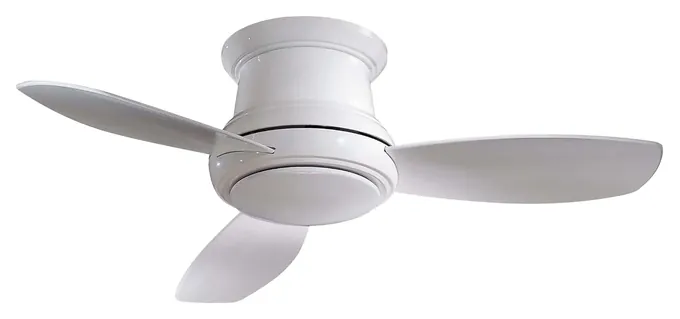
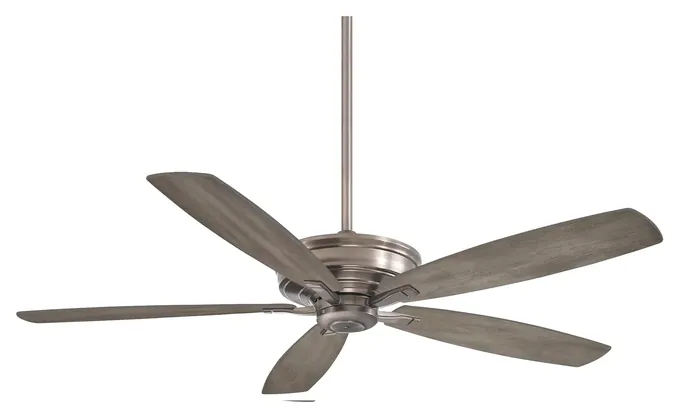
Editor's Notes
October 26, 2026, by Ezvid Wiki Admin:
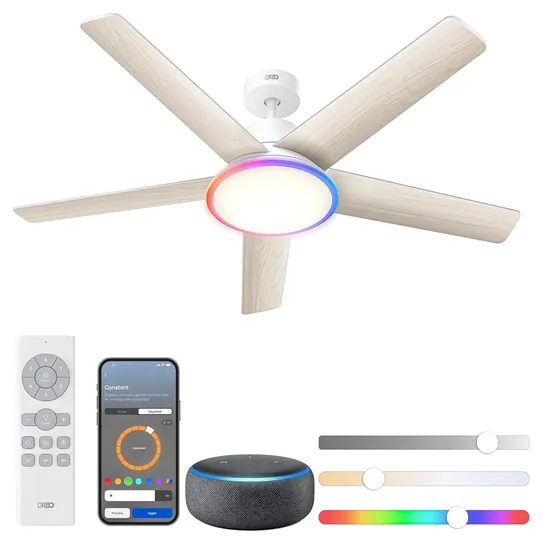
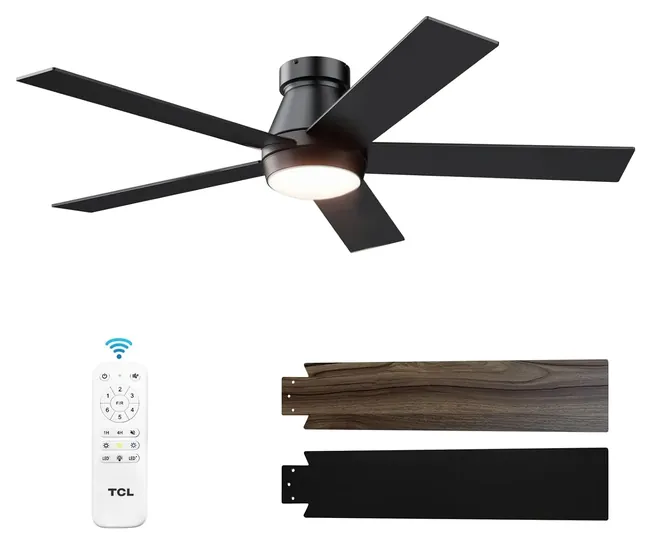
The Dreo 521S leads this list since one fan answers to a handset, a phone app and a voice assistant, and its DC motor runs quietly. The TCL HFS2 suits people who want a remote and nothing else.
The old list was built in 2019 and had aged badly. The Monte Carlo Airlift, Casa Elite, Casa Vieja Journey, Casa Vieja Metro, Parrot Uncle chandelier fan and Minka-Aire Wave weren't for sale anywhere we looked, and the Harbor Breeze Mazon is unavailable. We also dropped the Monte Carlo Maverick: we couldn't find it, and the related Maverick Coastal outdoor fans were recalled for blades that can break. Two survived. The Highpointe is now sold under the Kathy Ireland Home name, and the Minka-Aire Concept II is still in the catalog.
Ceiling fans turn up in recall notices often, usually for blades that work loose, so we checked every brand here against the federal recall list and read makers' spec sheets for remote functions, motor warranties and damp ratings. Quiet-running and airflow figures come from the makers alone, so treat them as claims.
December 20, 2018:
Above all else, when creating this list we examined how much air a ceiling fan could move, how quietly it operated, and the quality of its parts. From there, we considered the individual design of the fans and made sure to chose a diverse set of styles that could compliment different types of rooms.
Special Honors
CPSC Recall Search The Consumer Product Safety Commission lists every recalled ceiling fan with model numbers, photos and the fix on offer, usually a free repair kit or a refund. Ceiling fans show up there often, mostly for blades or light kits that can fall. Search your fan's model number from the label on the motor housing before you hang a used, inherited or older fan. cpsc.gov
Remote, App Or Voice: What The Controls Do
Smart fans add Wi-Fi so a phone app, Alexa or Google Assistant can do the same jobs, plus schedules, sleep modes and finer speed steps.
A ceiling fan remote is a small radio transmitter. It talks to a receiver hidden in the fan's canopy, which switches the motor speed, the light and the direction of spin (Wikipedia: Ceiling fan). Because it's radio, not infrared, it works without pointing at the fan, but it runs on coin or AAA batteries and it can go missing. Some remotes, like Amico's, slide into a wall holder and become the room's switch, which keeps them from wandering off.
Smart fans add Wi-Fi so a phone app, Alexa or Google Assistant can do the same jobs, plus schedules, sleep modes and finer speed steps. Dreo's app, for example, offers more speed levels and modes than its handset (Dreo 712S, Dreo 325S). A fan certified for Matter, a shared standard, can join Apple Home, Google Home, Alexa or SmartThings without a brand-specific bridge (Connectivity Standards Alliance).
If you like the fan you already have, a universal remote kit can add the same control. The kit's receiver goes in the canopy between the house wiring and the fan, so it's a job for someone comfortable with wiring, and DC-motor fans usually need the maker's own remote.
DC Motors, Airflow And Noise Claims
Most fans here use brushless DC motors. They draw less power and run quieter than the older AC type, and they allow more speed steps, but they cost more and are harder to repair (Wikipedia: Ceiling fan). ENERGY STAR says its certified fans are up to 44% more efficient than conventional ones, and it sets minimum light output for fan light kits (ENERGY STAR: Ceiling fans). None of the fans on this list claims ENERGY STAR certification.
Treat airflow and noise figures with care. Makers quote airflow in cubic feet per minute and noise in decibels, but those figures come from the makers, and we found no independent lab that measured these models. Some brands quote peak airflow, others an average, so the numbers don't line up across brands.
The reverse button matters more than it looks. In summer the blades should push air down, which feels cooler and lets you set the thermostat a few degrees higher. In winter, a slow reverse spin pulls air up and moves warm air off the ceiling.
Mounting, Ceiling Height And Recalls
A fan must hang from an electrical box listed for ceiling fans. A fan can weigh anywhere from about 8 to 50 pounds, and its spin twists the box in ways a light never does, so a box made only for light fixtures isn't enough (Wikipedia: Ceiling fan). If you're not sure what's in your ceiling, have a licensed electrician check before the fan goes up.
US codes call for blades at least 7 feet above the floor. On a standard 8-foot ceiling, that means a flush-mount, or hugger, fan, which moves less air than one on a downrod. Taller or sloped ceilings need a downrod and often a slope adapter, which is why the Sofucor and Highpointe include two rods. For porches, match the rating: damp-rated fans handle humidity under a roof, and only wet-rated fans can take direct rain.
Blade problems drive many fan recalls. The CPSC recalled about 9,460 Hampton Bay Halwin fans in August 2026 because blades could detach (CPSC), and about 77,900 Harbor Breeze Belleisle Bay and Honeywell Rio fans in 2021 for the same reason (CPSC). The model number is on a label on the motor housing; search it at cpsc.gov before you hang a used or older fan.
How we researched this
We compared 16 remote-control ceiling fans, read the makers' spec sheets and product pages for the 10 picks, analyzed owner feedback patterns, and checked every brand against the CPSC recall database. Noise and airflow figures are makers' claims.
Sources (9)
- Dreo: Smart Ceiling Fan 712S
- Dreo: Ceiling Fan 325S
- Wikipedia: Ceiling fan
- ENERGY STAR: Ceiling fans
- Connectivity Standards Alliance: Matter
- CPSC: Hampton Bay Halwin ceiling fan recall (2026)
- CPSC: Harbor Breeze Belleisle Bay and Honeywell Rio recall (2021)
- CPSC: Visual Comfort Maverick Coastal recall (2024)
- CPSC: Recalls
Frequently asked questions
Can the remote replace my wall switch?
Yes, as long as the wall switch stays on, because the receiver in the fan needs power. Some remotes, such as Amico's, come with a wall holder so the remote can serve as the switch.
Can I add a remote to the ceiling fan I already have?
Usually. Universal remote kits put a receiver in the fan's canopy. They suit most AC-motor fans; DC-motor fans generally need the maker's own remote. Turn off the breaker before installing one.
Which of these fans work with Alexa or Google Assistant?
The Dreo 521S, Dreo 325S, Govee H1310 and Sofucor Smart DC work with both. The Govee also supports Matter. The Zmishibo has an app, while the TCL, Amico, Highpointe and Minka-Aire fans use the remote alone.
How quiet are DC ceiling fans?
DC motors are generally quieter than AC motors. Makers quote low decibel figures for their slowest speeds, but no independent lab has measured these models, so treat those numbers as claims.
What fan should I get for a low ceiling?
A flush-mount, or hugger, fan. US codes want the blades at least 7 feet above the floor, which a downrod fan often can't meet on an 8-foot ceiling. Hugger fans move less air, so pick one sized for the room.
What happens if I lose the remote?
On fans without a pull chain, such as the Minka-Aire Kafe-XL, you can't change the speed without it. Makers sell replacement remotes; note the remote's model before you need one.